Easy Succulent Plants to Grow: Low-Maintenance Beauties for Beginners
Succulents have surged in popularity for good reason. They offer a blend of sculptural beauty, low-maintenance care, and incredible diversity that fits seamlessly into modern homes and gardens. For beginners, the prospect can still feel intimidating, but the reality is that many species are nearly impossible to kill. Choosing easy succulent plants to grow is the perfect way to build confidence and develop a green thumb without the stress of constant attention.
Why Choose Low-Maintenance Succulents?
The primary appeal of easy succulents lies in their resilience. Originating from arid climates, these plants store water in their leaves, stems, or roots, allowing them to thrive in conditions that would overwhelm more delicate foliage. This adaptation translates to a forgiving nature for forgetful waterers and busy individuals. Furthermore, their slow growth rate means less frequent repotting and pruning. Whether you are looking for a desktop companion that purifies the air or a garden groundcover that survives drought, these plants offer practicality without sacrificing aesthetic appeal.
Top Recommendations for Beginners
Not all succulents are created equal when it comes to hardiness. Some varieties demand bright, indirect light and meticulous watering schedules, while others tolerate neglect and lower light with grace. The following selections are celebrated for their adaptability and charming appearance, making them ideal starting points for any gardening journey.


Easy Succulent Plants to Grow Indoors
Bringing nature indoors is effortless with the right species. These plants typically prefer bright light but are tolerant of standard home conditions. They grow well in standard potting mixes supplemented with perlite and only require watering when the soil is completely dry.
- Zebra Haworthia (Haworthia fasciata): Recognized by its dark green, pointed leaves striped with white tubercles, this compact plant is perfect for small spaces and windowsills.
- Snake Plant (Sansevieria trifasciata): Known for its upright, sword-like leaves, this plant excels at improving indoor air quality and tolerates a wide range of light conditions.
- Jade Plant (Crassula ovata): A symbol of good luck, the Jade Plant features thick, glossy leaves and can even produce small pink flowers with proper care.
- Donkey’s Tail (Sedum morganianum): This trailing beauty is beloved for its cascading stems covered in plump, blue-green leaves. While gentle handling is required, the visual reward is significant.
Vibrant Options for Outdoor Gardens
Outdoor succulents leverage the sun and fresh air to create stunning displays. They are excellent for rock gardens, xeriscaping, or container arrangements on patios. The key to success outdoors is ensuring excellent drainage to prevent root rot during rainy seasons.


| Plant Name | Light Requirements | Mature Size | Special Features |
|---|---|---|---|
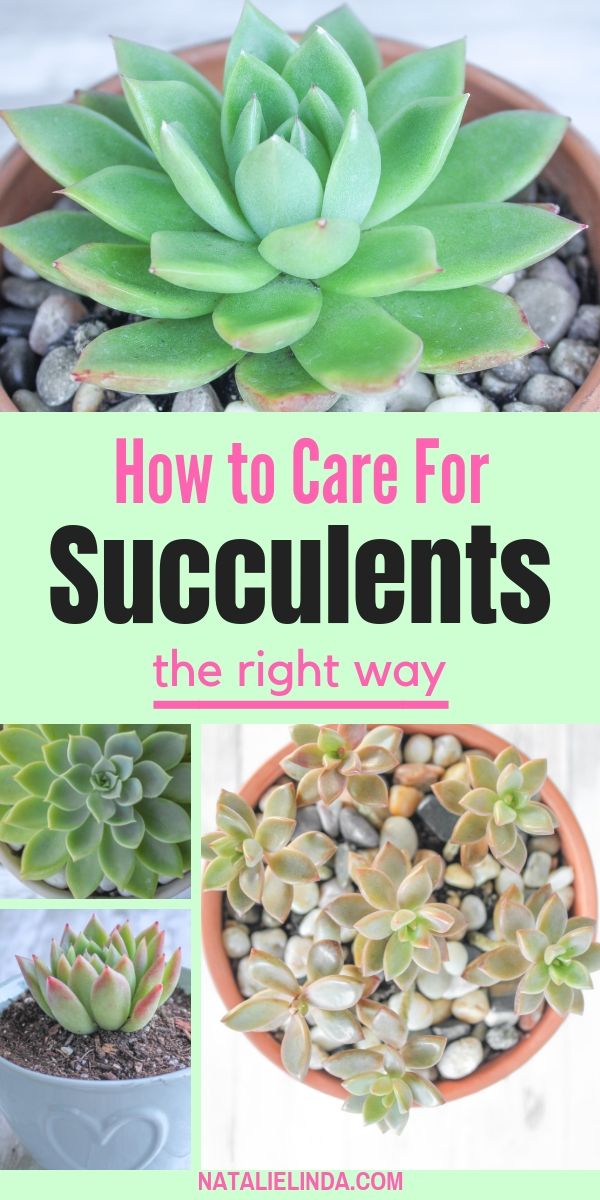
| Echeveria | Full Sun to Partial Shade | 6-12 inches | Rosette-shaped foliage in vibrant colors |
| Aloe Vera | Bright, Direct Light | 2-3 feet | Medicinal gel inside leaves |
| Sedum 'Autumn Joy' | Full Sun | 1-2 feet | Clusters of star-shaped flowers |
| Hens and Chicks (Sempervivum) | Full Sun | 6 inches | Produces offsets readily |
Mastering Watering Techniques
Overwatering is the single greatest cause of succulent death. To mimic their natural habitat, the "soak and dry" method is essential. Water the soil thoroughly until it runs out of the drainage holes, then allow the soil to dry out completely before watering again. The frequency of this cycle depends on climate, humidity, and light, but a general rule of thumb is to check the soil every few days. If the top inch feels dry, it is safe to water.
Soil and Container Essentials
Successful cultivation starts below the surface. Standard garden soil retains too much moisture for succulents, leading to root rot. A specialized cactus or succulent potting mix is ideal. When selecting a container, prioritize drainage. Terra cotta pots are excellent because they are porous and wick away moisture, whereas plastic or glazed ceramic pots retain water longer. Ensure the pot has at least one drainage hole to expel excess water.
Troubleshooting Common Issues
Even easy plants can signal distress if you know what to look for. Yellowing, mushy leaves usually indicate overwatering and root rot. Shriveled, wrinkled leaves suggest the plant needs water. Leggy growth, where the plant stretches toward the light, indicates insufficient sunlight. To address this, move the plant to a sunnier spot or supplement with grow lights. With proper observation and adjustment, these resilient plants will reward your care with lasting beauty.


Related Articles

Grow Tomato Plants in Pots for Beginners: The Ultimate Easy Guide
Growing tomato plants in pots is an ideal way to enjoy fresh, vine-ripened produce for beginners with limited space. Whether you have a sprawling balcony or a...
Indoor Succulent Plants for Beginners: The Easy Care Guide
Bringing the serenity of nature into your home starts with a simple, low-maintenance choice: indoor succulent plants. For the absolute beginner, these charming...
Best Indoor Succulent Plants on Amazon: Easy Care, Stunning Greenery
The quest for low-maintenance greenery has led many indoor gardeners to the reliable charm of succulents. Finding the perfect indoor succulent plants Amazon...

Low-Maintenance Landscaping Plants: Easy Care, Beautiful Yard
Low-Maintenance Landscaping: Easy to Care For Plants Creating a beautiful outdoor space doesn't have to mean spending hours every week on upkeep. By choosing...

Stunning Low-Maintenance Succulent Bed Ideas for Easy Garden Beauty
Embracing the trend of low-maintenance gardening, succulent beds have become a popular choice for both novice and experienced gardeners alike. These hardy...

The Succulent Corner: Your Ultimate Guide to Growing Vibrant, Low-Maintenance Plants
Welcome to the Succulent Corner: A Haven for Easy-Care Plants The Succulent Corner is more than just a plant store; it's a sanctuary for those seeking...