Easy Spider Crafts for Toddlers: Fun Arachnid Art Projects
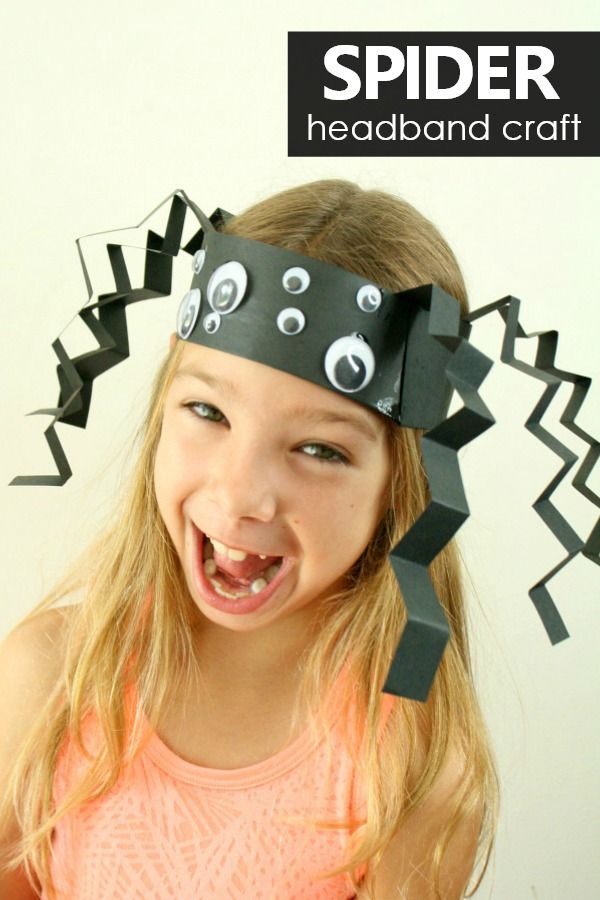
Engaging toddlers in creative activities is one of the most rewarding parts of early childhood development, and easy spider crafts for toddlers offer a perfect blend of simplicity and seasonal fun. These projects are specifically designed for small hands and short attention spans, turning basic materials like paper plates, pipe cleaners, and pom-poms into delightful arachnid friends. The focus is on the process of creation rather than a perfect final product, which helps build confidence and fine motor skills. By incorporating these crafts into a preschool or home setting, caregivers can transform a potentially scary creature into a friendly, educational experience.
Why Spider Crafts Are Perfect for Toddlers
The beauty of easy spider crafts for toddlers lies in their multi-sensory appeal. From the tactile experience of gluing pom-poms to the visual satisfaction of arranging legs, these activities cover key developmental areas. They encourage the use of pincer grasp when handling small items like googly eyes and strengthen hand muscles through cutting and bending actions. Furthermore, spiders provide a non-threatening way to introduce toddlers to nature and animals, fostering curiosity about the world around them. These crafts are also remarkably versatile, fitting seamlessly into Halloween, autumn, or even a letter "S" lesson plan.
Gather Your Simple Supplies
One of the greatest advantages of these projects is the minimal preparation required, as most supplies are likely already in your craft stash. You won't need specialized tools or expensive materials, ensuring that creating is accessible to everyone. The focus remains on the toddler's experience, not on gathering complex components. Having everything organized and within reach before starting is the key to a stress-free crafting session.


| Supply Item | Purpose in the Craft |
|---|---|
| Paper Plate | Acts as the spider's body base. |
| Chenille Stems (Pipe Cleaners) | Used for creating flexible legs. |
| Googly Eyes | Adds instant personality without mess. |
| Washable Glue | Safe for little hands and easy to clean up. |
Simple Spider with Paper Plate
This classic method is arguably the easiest spider crafts for toddlers to grasp. Start by cutting the paper plate in half to create a curved body that mimics a spider's natural shape. Toddlers can then apply glue across the surface and stick on pre-cut strips of black construction paper for the legs. The addition of two large googly eyes immediately brings the creature to life. This project is ideal because the curved plate requires no drawing, making it accessible for children who are not yet comfortable with complex shapes.
Beaded Pipe Cleaner Spider
For a more tactile experience, the beaded pipe cleaner variation is highly effective. You will need to pre-cut the chenille stems into equal lengths, but the fun part for the toddler is stringing large wooden or plastic beads onto each piece. Once the beads are in place, bending the ends of the pipe cleaner creates the legs and prevents the beads from falling off. This version is excellent for practicing hand-eye coordination and pattern recognition, as toddlers can choose the order of their bead colors. The resulting spider has a wonderful, wiggly movement that delights young children.


Sticker Spider Fun
When looking for the absolute simplest activity, look no further than the sticker spider method. This requires nothing more than a sheet of construction paper, a few pre-drawn spider bodies, and a pack of large foam stickers. Toddlers can peel the backing off the stickers and place them directly onto the page to create a unique design. This eliminates the mess of glue while still allowing for artistic expression. It is a fantastic option for travel or quiet time, as the setup is minimal and the cleanup is virtually non-existent.
Tips for a Successful Craft Session
Managing expectations is just as important as managing the mess when working with toddlers. Embrace the chaos and view glue smudges as badges of honor. It is often beneficial for the adult to prepare the more complex steps, such as cutting the plate or stems, while allowing the toddler to handle the gluing and placing. Offering specific praise for their effort, rather than the outcome, encourages a love of creating. Remember, the goal is not a perfect spider, but a happy, engaged toddler with memories of shared time.




Related Articles
Spider Craft Toddlers: Easy & Fun Arachnid Art Projects
Spider craft toddlers represent a delightful intersection of early childhood development and seasonal creativity. These activities, often centered around the...
Spider Crafts for Toddlers: Easy & Fun Arachnid Activities for 2 Year Olds
Engaging a two-year-old with a simple spider craft is one of the most rewarding ways to support their early development. At this age, children are refining...

Valentine's Day Crafts Cards for Toddlers: Easy & Cute DIY Projects
Valentine's Day is a wonderful opportunity to engage your toddlers in creative activities that foster their imagination and motor skills. Crafting Valentine's...

Simple Halloween Art Projects for Toddlers: Easy & Spooky Crafts
Introducing toddlers to the world of art during Halloween creates a memorable experience filled with sensory delight and creative exploration. This festive...

Easy Egg Dying for Toddlers: Fun & Safe Spring Crafts
Turning a simple kitchen activity into a joyful creative outlet is easy when you explore easy egg dying for toddlers. This classic craft welcomes little ones...

Quick Easy Crafts for Adults: Simple DIY Projects You Can Make Today
For adults navigating demanding careers, family obligations, and constant digital distraction, finding a moment of genuine relaxation can feel impossible...