Does Sedum Have Seeds? The Ultimate Guide to Sedum Seed Production and Propagation
Sedum, commonly known as stonecrop, is a diverse genus of succulent plants celebrated for their resilience, aesthetic appeal, and ease of cultivation. A question frequently arising among gardeners and botanists alike is: does sedum have seeds? The answer is a definitive yes. These remarkable plants reproduce both vegetatively and sexually, with seed production being a crucial part of their natural lifecycle, ensuring genetic diversity and species propagation across varied habitats.
Understanding Sedum's Reproductive Strategy
Sedum species employ a dual reproductive strategy that contributes to their widespread success. The most common method observed in gardens is vegetative propagation, where new plants emerge from stems or leaves that easily root when they touch the soil. However, this asexual method results in clones of the parent plant. To maintain genetic variability and adapt to changing environments, sedum also relies on sexual reproduction through seed formation. This process involves flowering, pollination, and the subsequent development of seeds within a capsule, ensuring the species can colonize new areas and evolve over time.
The Flowering and Pollination Process
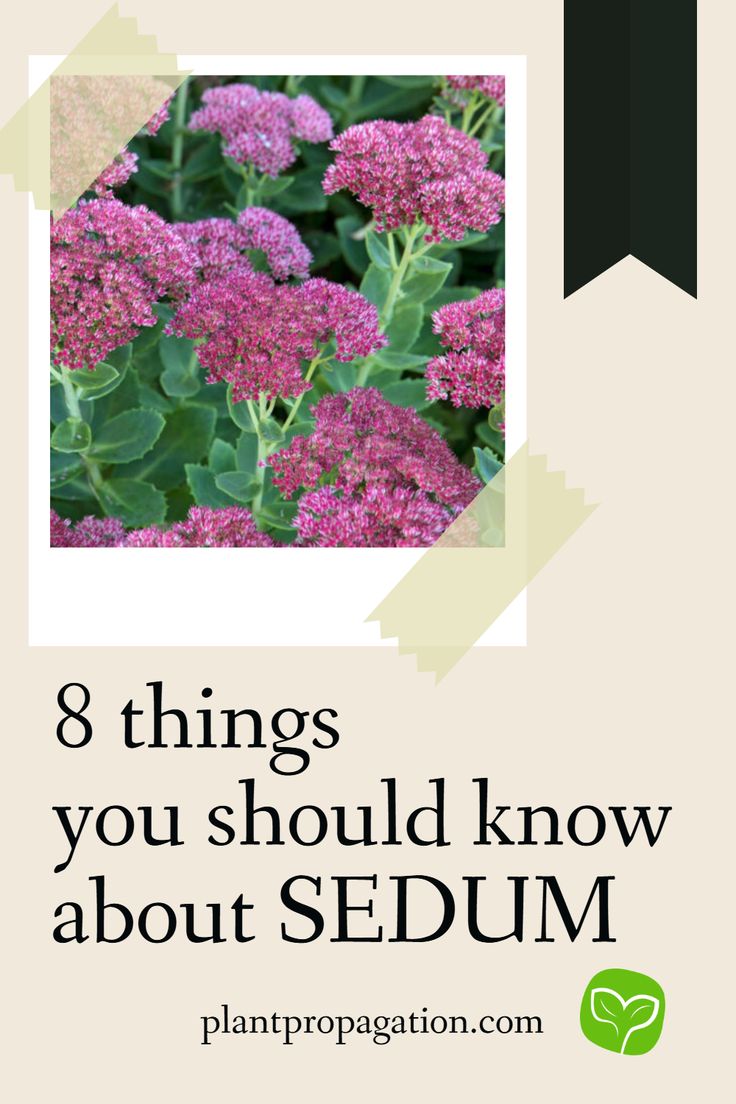
The production of sedum seeds begins with the plant reaching maturity and entering its flowering phase. Many sedum varieties produce star-shaped flowers in clusters atop succulent stems, typically in late summer or early autumn. These flowers are designed to attract a variety of pollinators, including bees, butterflies, and other insects. Pollination occurs when pollen from the anthers of one flower is transferred to the stigma of another, a process often facilitated by these visiting insects. Successful pollination is the essential first step that triggers the development of the seed capsule.


From Flower to Seed Capsule
Following successful fertilization, the fertilized ovules within the ovary begin to develop into seeds. Concurrently, the ovary swells and transforms into a protective seed capsule, which is the defining feature of the sedum fruit. This capsule usually takes the form of a small, star-shaped pod that remains closed until specific environmental conditions, such as drying temperatures or physical disturbance, trigger it to open. The structure of this capsule is integral to the seed's dispersal mechanism, allowing the tiny seeds to be released and spread by wind or other means.
Harvesting and Germinating Sedum Seeds
For horticulturists looking to propagate sedum from seed, the process requires patience and attention to detail. Seeds are typically ready for harvest after the capsule has turned brown and begun to split. Gently collecting these fine, dust-like seeds is the first step. Because sedum seeds require light to germinate, they should be sown on the surface of a well-draining soil mix rather than being buried. Maintaining consistent moisture and providing bright, indirect light creates the ideal environment for these tiny seeds to sprout, often within a few weeks.


| Stage | Description | Timeline |
|---|---|---|
| Flowering | Star-shaped blooms appear to attract pollinators. | Late Summer/Early Autumn |
| Pollination | Transfer of pollen leads to fertilization. | During Flowering Period |
| Capsule Development | Ovary swells into a protective pod containing seeds. | Weeks Post-Pollination |
| Seed Dispersal | Capsule dries and splits, releasing seeds. | Maturity/Drying Conditions |
The journey from a flowering sedum to a mature seed pod highlights the sophisticated biology of these plants. Understanding that sedum does produce seeds opens up opportunities for creating new cultivars and ensures the species' survival. By allowing some plants to go to seed, gardeners contribute to the resilience of their gardens, fostering a dynamic ecosystem where new life can emerge naturally from the parent plant.
Ultimately, the presence of seeds in sedum species underscores their adaptability and evolutionary prowess. Whether you are a seasoned botanist or a home gardener, recognizing the role of seeds in the life cycle of stonecrop enhances the appreciation for these versatile succulents. They are not merely low-maintenance ornamental plants but complex organisms capable of sexual reproduction, ensuring their legacy for generations to come.


Related Articles
Does Sedum Grow From Seed? The Ultimate Guide to Successful Propagation
Sedum, with its fleshy leaves and vibrant star-shaped flowers, is a mainstay in gardens designed for texture, color, and resilience. A common question among...

Does High School Have Lockers? The Ultimate Guide
High schools, as we know, are bustling hubs of learning and growth, where students spend a significant portion of their day. One question that often arises is...

Does IKEA Have Solid Wood Dressers? The Ultimate Guide
When browsing Ikea's bedroom collections, the question "does Ikea have solid wood dressers" arises for shoppers seeking durable, long-lasting furniture. The...

The Ultimate Guide to Planting Zinnia Seeds: Perfect Depth for Maximum Blooms
Planting zinnia seeds at the correct depth is the single most critical action for successful germination. Sown too deeply, the seedling lacks the energy to...

Does Gladiolus Multiply? The Ultimate Guide to Growth & Propagation
Gladiolus, often referred to as the sword lily, is a beloved staple in gardens worldwide for its dramatic spires of colorful blooms. Gardeners frequently...
Growing Stunning Sedum Gardens: The Ultimate Guide to Planting Sedum from Seed
Yes, you absolutely can plant sedum from seed, and doing so offers a cost-effective way to cultivate a diverse array of these resilient succulents. While it...