DIY Pavers with Artificial Grass: The Ultimate Step-by-Step Guide
Transform Your Outdoor Space: DIY Pavers with Artificial Grass
Are you dreaming of a low-maintenance, lush, and inviting outdoor space? Combining DIY pavers with artificial grass is an excellent way to achieve just that. This combination not only creates a stunning visual contrast but also offers numerous practical benefits. In this guide, we'll explore the advantages, step-by-step installation process, and essential tips for your DIY paver and artificial grass project.
Why Choose DIY Pavers with Artificial Grass?
Before we dive into the installation process, let's discuss the compelling reasons to choose this combination for your outdoor space.
- Low Maintenance: Artificial grass requires no mowing, watering, or fertilizing, while pavers need minimal upkeep. This combination significantly reduces the time and effort spent on yard maintenance.
- Durability: Both pavers and artificial grass are designed to withstand heavy foot traffic and harsh weather conditions, ensuring longevity and a long-lasting finish.
- Versatility: Pavers come in a variety of shapes, sizes, and colors, allowing you to create unique patterns and designs. Artificial grass, too, offers different pile heights and colors to match your preferred aesthetic.
- Environmentally Friendly: By replacing natural grass with artificial turf, you'll reduce water usage and eliminate the need for harmful pesticides and fertilizers.
Step-by-Step: Installing Pavers with Artificial Grass
Preparation and Planning
Before you begin, measure your space and determine the amount of pavers and artificial grass you'll need. Also, gather the necessary tools, including a tape measure, shovel, wheelbarrow, rake, level, rubber mallet, and safety gear like gloves and goggles.


Site Preparation
Start by removing any existing grass, weeds, or debris from the area. Then, excavate the site to a depth of about 6-8 inches, ensuring the ground is level and well-compacted. Add a layer of gravel (about 2-3 inches deep) and use a plate compactor to create a solid base for your pavers.
Laying the Pavers
Begin laying your pavers along a straight edge, such as a string line or a long, straight board. Use a rubber mallet to tap down each paver, ensuring they're level and tightly butted against one another. Continue this process, creating your desired pattern or design.


Installing the Artificial Grass
Once your pavers are laid, it's time to install the artificial grass. Start by rolling out the turf, ensuring it's laid in the same direction for a consistent look. Trim the turf to fit around the pavers, using a sharp utility knife to create clean cuts.
Next, secure the turf to the ground using landscape spikes or a specialized adhesive. Ensure the edges are well-secured to prevent lifting or shifting. Finally, give your artificial grass a good brushing to remove any creases and restore the natural-looking pile.
Essential Tips for a Successful DIY Project
Choose the Right Pavers and Artificial Grass
Opt for pavers designed for pedestrian traffic and artificial grass with a dense, durable construction and UV-stabilized fibers to resist fading and damage from sunlight.


Consider Drainage
Ensure your paver installation has proper drainage to prevent water from pooling and damaging the artificial grass or causing uneven pavers.
Don't Skimp on Base Preparation
A solid, well-compacted base is crucial for the longevity and stability of your paver and artificial grass installation. Take the time to prepare the site properly to avoid issues down the line.
Follow the Manufacturer's Instructions
Always adhere to the specific installation guidelines provided by the paver and artificial grass manufacturers to ensure a successful and long-lasting result.


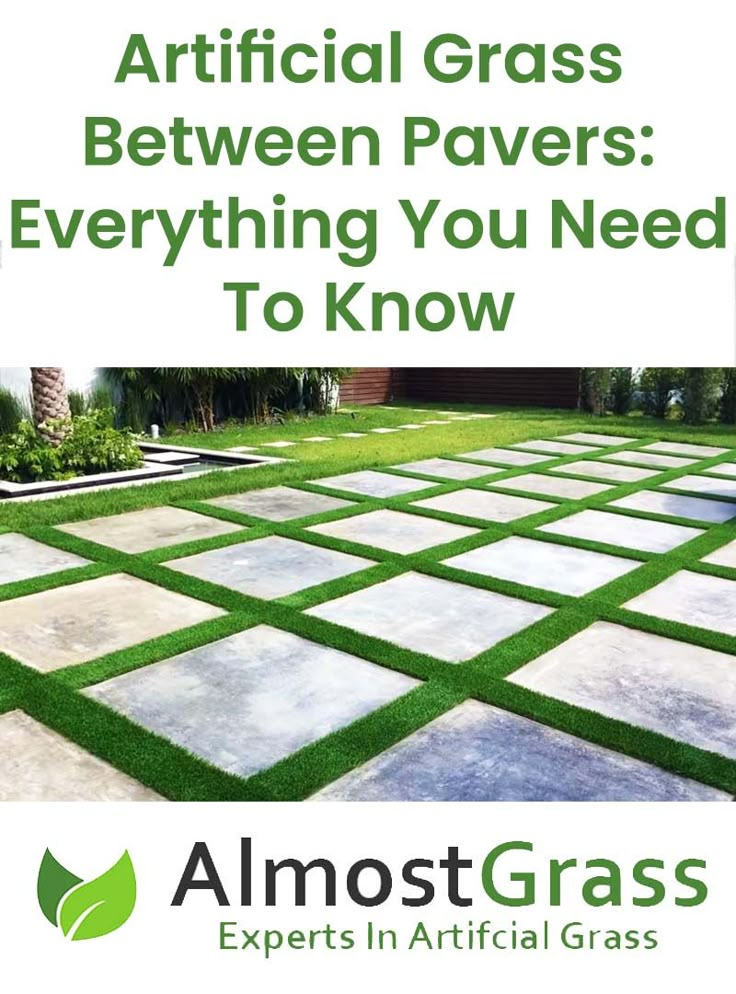


Combining DIY pavers with artificial grass is an excellent way to create a beautiful, low-maintenance outdoor space. By following this comprehensive guide, you'll be well on your way to transforming your yard into a stunning, inviting oasis. Happy DIY-ing!
Related Articles

Install Artificial Turf with Pavers: The Ultimate Step-by-Step Guide
Transform Your Outdoor Space: A Comprehensive Guide to Installing Artificial Turf with Pavers Artificial turf and pavers are two versatile landscaping...
How to Lay Pavers with Artificial Grass In Between: A Step-by-Step Guide
Laying Pavers with Artificial Grass: A Comprehensive Guide Combining the durability of pavers with the lushness of artificial grass creates a stunning...

The Ultimate Guide to Artificial Grass and Pavers: Design & Installation Tips
Revolutionizing Landscaping: Artificial Grass and Pavers In the realm of modern landscaping, two materials have emerged as game-changers: artificial grass and...

How to Lay Artificial Grass on Decking: Step-by-Step Guide
Transforming Your Decking: A Comprehensive Guide to Laying Artificial Grass Are you looking to enhance your outdoor space by adding a touch of green to your...

How to Maintain Artificial Grass on Your Balcony: Ultimate Care Guide
Maximizing Longevity: A Comprehensive Guide to Maintaining Artificial Grass on Your Balcony Embracing the low-maintenance allure of artificial grass for your...

Options Instead of Grass: The Ultimate Guide to Artificial Lawn Solutions
Revolutionize Your Landscape: Exploring Options Beyond Grass In the quest for a beautiful, low-maintenance landscape, many homeowners are moving away from...