Clever Ways to Use FSA: Maximize Your Benefits Now
Your Flexible Spending Account is one of those financial tools that sits in the background, quietly compiling receipts until a frantic December rush forces you to remember it exists. Far from being a simple tax deduction, an FSA is a strategic command center for your healthcare spending, allowing you to pre-tax dollars for current and future needs. When managed with intention, these dollars can stretch further than you ever imagined, turning a bureaucratic perk into a powerful component of your personal budget.
Mastering the Core: Current Year Health Expenses
The most obvious use for an FSA is covering the predictable and immediate costs of staying healthy. Because these funds are deducted from your gross income, they effectively reduce your taxable earnings while paying for essential care. This dual benefit makes every dollar go further than a dollar saved in a regular bank account.
The Prescription Pillars
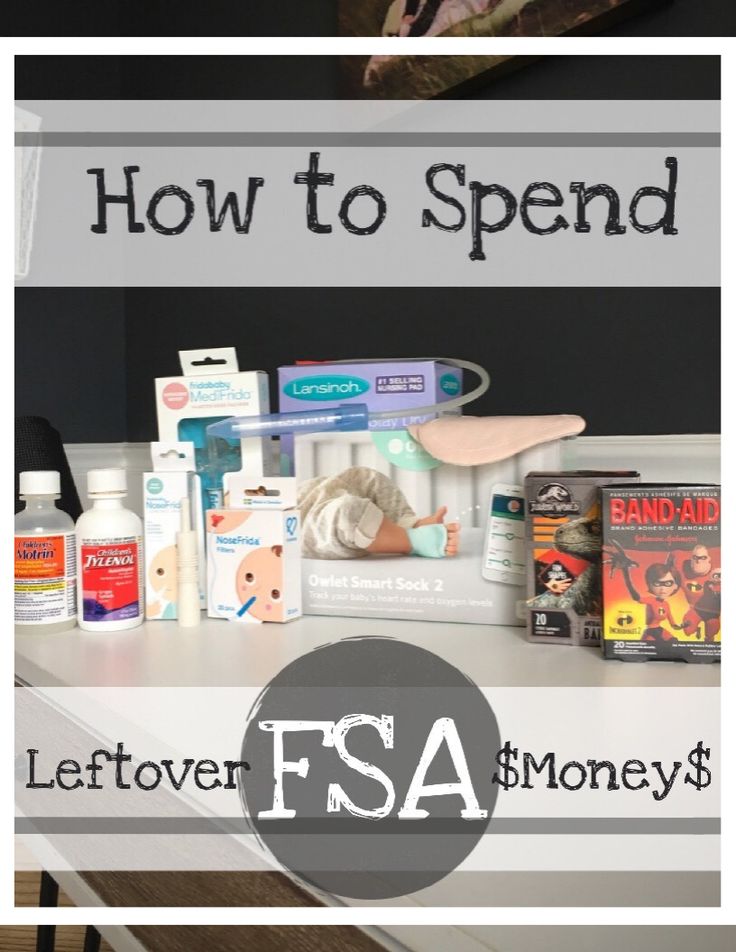
Prescription medications are a foundational FSA expense, but the clever part is looking beyond the monthly fill. Over-the-counter medications, such as pain relievers, allergy pills, and cold remedies, are eligible as long as you have a prescription or a recommendation from a doctor. This allows you to stock your medicine cabinet with items you use regularly, turning a recurring cost into a tax-efficient purchase that you control.


Vision and Dental Vigilance
Vision and dental costs are often separate from general medical plans, making the FSA an ideal vehicle for managing them. Use your account to cover routine eye exams, contact lens solution, prescription sunglasses, and even deductibles for orthodontic work or dental procedures. By funding these specific categories, you prevent small, recurring expenses from eroding your monthly cash flow and instead absorb them with pre-tax dollars.
Planning Ahead: The Run-Up to Deductibles
One of the most sophisticated uses of an FSA is its role in financial strategy. The "use it or lose it" nature of most accounts requires a forward-thinking approach, particularly when you anticipate significant medical procedures. If you know you will hit a high deductible threshold for the year—perhaps for surgery, a diagnostic scan, or a major dental procedure—timing your purchases is everything.


Schedule eligible expenses, such as LASIK surgery, physical therapy, or an MRI, to occur after you have maxed out your contributions for the year. This allows you to pay the provider with your FSA funds rather than dipping into your post-tax savings or checking account. Essentially, you are using the FSA as an interest-free loan from the government to finance your health security.
Unlocking Eligible Dependents and Lifestyle Synergies
The scope of what qualifies is broader than many employees realize, offering ample room for optimization. While the basics are important, the real value emerges when you connect your FSA with other household expenses that impact your family’s well-being.
Child and Dependent Care Integration
If you have a Dependent Care FSA, you can coordinate it with your medical FSA to cover the full spectrum of childcare. While the Care FSA handles daycare and after-school care, the Medical FSA can pay for the pediatrician visits, immunizations, and prescribed medications related to that care. This layered approach ensures that both the logistical support and the health support of your children are funded in the most tax-efficient manner possible.


| Category | Examples | Common Oversights |
|---|---|---|
| Medical Supplies | Bandages, crutches, blood pressure monitors | Thermometers and pregnancy tests |
| Prescription Costs | Doctor-written medications | Over-the-counter meds with prescription |
| Vision Costs | Eye exams, contacts, glasses repair | Sunglasses with UV protection |
| Dependent Care | Daycare, preschool, summer camps | Before/after-school care |
Mitigating the Unexpected: First Aid and Travel Readiness
Emergencies are statistically inevitable, which is why preparing for them financially is a sign of intelligence rather than paranoia. Your FSA can function as the financial backbone of a comprehensive home first-aid kit. Eligible items range from simple bandages and antiseptic to blood pressure monitors and EpiPens. By funding these supplies with pre-tax dollars, you lower the barrier to being prepared, ensuring that when an accident happens, your response is medical, not financial.
Travel introduces a unique set of health variables, from deep vein thrombosis on long flights to stomach bugs in unfamiliar regions. Use your FSA to purchase travel-sized first-aid supplies, motion sickness medication, water purification tablets, and even travel pillows prescribed for neck pain. This turns your vacation from a potential medical bill generator into a fully covered health event, protecting both your safety and your wallet.
Maximizing Value and Avoiding Pitfalls
To truly leverage the power of your FSA, you must move beyond the basics and understand the nuances of eligibility. The IRS provides a broad framework, but the application of that framework requires diligence. Keeping meticulous records—receipts, explanation of benefits (EOB) forms, and doctor notes—is not just good practice; it is your defense in an audit. Digital scanning these documents immediately after purchase ensures you have proof regardless of how organized your filing cabinet is.


Equally important is understanding the grace period or carryover rules specific to your plan. While the classic "use it or lose it" rule applies, many employers now offer a 2.5-month grace period or allow a $550 carryover to the next year. If your plan includes these options, you can strategically time a purchase—like a dentist appointment or a new pair of prescription glasses—to fall within this extended window, recouping last year's funds without the pressure of a December 31 deadline.
Conclusion: Reframing the FSA as a Financial Tool
Viewing your FSA as a static pot of money to be rushed at year-end is a missed opportunity. By treating it as a dynamic financial instrument, you gain control over your healthcare ecosystem. From optimizing routine prescriptions to safeguarding your family's future needs, the clever application of FSA funds transforms a simple tax benefit into a disciplined savings strategy. The goal is not just to spend the money, but to harness it in a way that promotes health, security, and long-term financial stability.
Related Articles

Space Saving Office Ideas: 20 Clever Ways to Maximize Your Workspace
Maximize Efficiency: Space-Saving Office Ideas for a Clutter-Free Workspace In today's fast-paced business environment, every square foot of office space...

Maximize Your Space: Clever Corner Office Ideas for the Living Room
Transforming a corner of your living room into a productive workspace has become increasingly popular, especially with the rise of remote work. By creating a...

Clever Ways to Hide a Tree Stump in Your Front Yard
Leaving a tree stump in the middle of your front yard is one of the most common landscaping oversights, and it creates an immediate challenge for curb appeal...

Clever Storage Ideas for Small Spaces Pinterest: Maximize Your Space
Navigating the challenges of urban living often means making the most of every available inch, and clever storage ideas for small spaces Pinterest have become...

Clever Shed Workshop Ideas for Small Spaces Maximize Your Space
Transforming a small shed into a functional workshop can be a rewarding project, allowing you to create a dedicated space for your DIY pursuits without...

Maximize Your Space: 10+ Clever Small Office Ideas for Your Living Room
Maximizing Your Space: Creative Small Office Ideas for Your Living Room In today's world, having a dedicated workspace at home has become a necessity for many...