Creative Cardboard Box House Ideas for DIY Enthusiasts
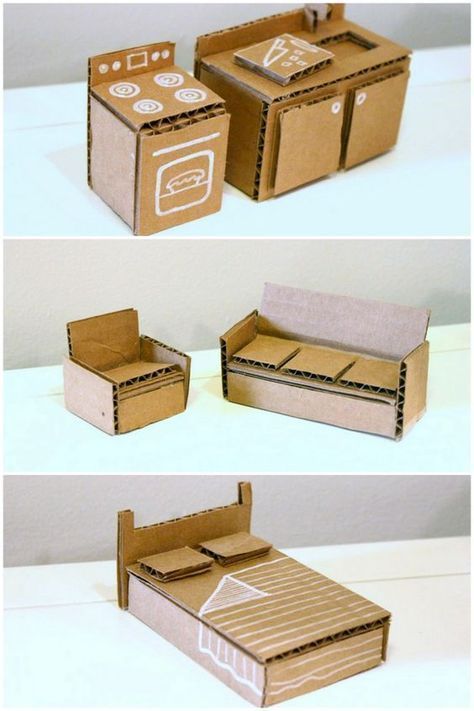
Repurposing a cardboard box house idea is one of the most accessible and creative DIY projects for families, educators, and design enthusiasts. Instead of sending a large, sturdy box to the recycling bin, transforming it into a playhouse, storage solution, or art installation unlocks a world of imaginative possibilities. This guide explores practical, stylish, and sustainable approaches to turning a simple cardboard box into a functional statement piece for any space.
Why Choose a Cardboard Box House Idea
The appeal of a cardboard box house idea lies in its combination of affordability, accessibility, and eco-friendliness. Unlike traditional builds, this project requires minimal financial investment, relying primarily on creativity and repurposed materials. It serves as an excellent activity for children, fostering hands-on learning and problem-solving skills. Furthermore, choosing to upcycle a box aligns with sustainable living practices, reducing waste and giving discarded items a new lease on life. The versatility of cardboard allows for rapid prototyping and easy modification, making it perfect for temporary installations or experimental designs.
Designing Your Cardboard Structure
Before cutting into your box, sketching a clear plan is essential for a successful outcome. Consider the final shape, whether it's a simple A-frame cottage, a multi-room mansion, or a futuristic pod. Measure the internal dimensions of the box to determine the maximum size of the structure. Strong, unbent panels are ideal for walls and roofs. Reinforcing critical joints with extra cardboard layers or internal supports will ensure durability, especially if the structure will be handled frequently. Planning for features like windows, doors, and roof pitches at the design stage saves time and reduces material waste.


Structural Integrity and Material Prep
The strength of a cardboard box house depends entirely on the preparation of the material. Thick moving boxes are superior to thin shipping envelopes for creating robust walls. To prevent sagging, especially on larger surfaces, consider creating a wooden or PVC frame to support the cardboard cladding. Corrugated cardboard performs best when its orientation is considered; using the flutes vertically for walls provides better vertical strength. For roofing, layering two or three sheets of cardboard and gluing them together creates a rigid, stable surface that can support lightweight decor elements without collapsing.
Creative Themes and Customization
Themed designs are where a cardboard box house idea truly shines, allowing for unique personalization. A nautical theme can be achieved with blue and white paint, porthole windows, and rope details. For a rustic cabin, wood-grain contact paper or painted shiplap effects create a warm, inviting aesthetic. Children might prefer a vibrant rainbow house or a space-themed capsule with foil accents and glow-in-the-dark stars. The adaptability of cardboard means you can easily swap out colors and decorations, making it a project that can evolve with changing tastes or seasonal holidays.


- Modern Minimalist: Use sharp lines and monochromatic paint for a sleek, urban loft feel.
- Enchanted Forest: Incorporate moss, twine, and fairy lights for a magical woodland retreat.
- Retro A-Frame: Add classic black and white geometric patterns for a mid-century charm.
- Industrial Chic: Expose the cardboard texture and paint with metallic accents for an edgy look.
Practical Applications Beyond Play
While a cardboard box house is often associated with children's play, its utility extends into adult life. Designers frequently use full-scale cardboard mockups to visualize architectural concepts before breaking ground on permanent builds. In the home, a well-made box house can function as a stylish magazine rack, a pet bed, or a hidden storage unit for off-season items. Photographers utilize them as budget-friendly backdrops for product shoots, proving that the structure can be as much a functional prop as it is a toy. This duality makes the project valuable for both creative professionals and homeowners.
Construction Techniques for Longevity
Assembling the structure securely ensures that your creation lasts beyond a single play session. Hot glue provides a strong, fast bond but requires careful handling. Craft or packing tape is an excellent alternative for securing seams and reinforcing corners without the mess of glue. For a cleaner finish, consider using paper mache or decoupage to seal the outer surface, which adds a layer of protection against accidental spills and light moisture. When connecting multiple boxes, aligning the seams and securing them with internal L-brackets made of folded cardboard prevents the structure from collapsing under its own weight.
Maintenance and Storage
Caring for a cardboard box house is straightforward, ensuring that your creative effort remains intact for future use. To keep it clean, gently wipe the surface with a slightly damp cloth and allow it to air dry completely before storing. The biggest enemy of cardboard is moisture and pests, so the structure must be kept in a dry environment. When not in use, disassembling the structure to flatten the panels helps it nest neatly in a closet or under a bed. With proper care, a high-quality cardboard creation can be stored and reassembled for years, offering a sustainable and nostalgic reminder of a creative project well done.


Related Articles

Creative Cardboard Gingerbread House Ideas Pinterest
Searching for a creative holiday project that combines nostalgia with modern design? The cardboard gingerbread house Pinterest aesthetic offers a perfect...

50+ Creative Handmade Card Ideas for DIY Enthusiasts
Unleash Your Creativity: Unique Handmade Card Making Ideas In the digital age, there's something deeply satisfying about creating something tangible with your...

Creative Cardboard Gingerbread House Idea for Instagram-Worthy Holidays
Creating a gingerbread house is a beloved holiday tradition, yet the mess, the baking, and the inevitable structural collapse can feel overwhelming. For a...

Creative DIY: What to Do with Empty Cardboard Boxes Upcycle Ideas
Empty cardboard boxes can seem like a nuisance once you've unpacked your latest delivery, but they're actually incredibly versatile and can be repurposed in...

Gigantic Gingerbread House Ideas: Large Cardboard Designs & Tutorials
Creating a large cardboard gingerbread house is an ambitious project that blends the warmth of holiday tradition with the structural integrity of modern...

Creative Reuse Ideas for Cardboard Boxes: Transform, Recycle, Upcycle
Creative Reuse Ideas for Cardboard Boxes In today's eco-conscious world, reducing waste and recycling have become more than just buzzwords; they're essential...