Bathroom Light Bulb Guide: Can You Use Any Light Bulb in Bathroom?
Can You Use Any Light Bulb in the Bathroom? A Comprehensive Guide
The bathroom, a space where functionality meets aesthetics, requires careful consideration when it comes to lighting. One common question homeowners and interior designers often ask is, "Can you use any light bulb in the bathroom?" The answer, as with many things in home improvement, is not as straightforward as a simple yes or no. Let's delve into the intricacies of bathroom lighting and help you make an informed decision.
Understanding Bathroom Lighting Requirements
Bathrooms, by their nature, are moisture-rich environments. Therefore, any light bulb used must be suitable for damp conditions to ensure safety and longevity. The International Electrotechnical Commission (IEC) has established standards for light bulbs used in humid areas, which are marked as 'IP' followed by a number. For bathrooms, an IP44 rating is typically sufficient, indicating protection against water splashes from any direction.
Types of Light Bulbs Suitable for Bathrooms
Now that we understand the requirements, let's explore the types of light bulbs that are safe and suitable for bathroom use.


Incandescent Bulbs
Incandescent bulbs are a traditional choice and can be used in bathrooms, provided they have an IP44 rating. However, they are less energy-efficient and have a shorter lifespan compared to other types of bulbs.
Compact Fluorescent Lamps (CFLs)
CFLs are more energy-efficient than incandescent bulbs and can be used in bathrooms, given they have the appropriate IP rating. However, they contain a small amount of mercury, which can pose an environmental hazard if not disposed of properly.


Light-Emitting Diodes (LEDs)
LEDs are the most energy-efficient and long-lasting option for bathroom lighting. They are also eco-friendly, containing no hazardous materials. Moreover, they are available in a wide range of colors and dimmable options, making them a versatile choice for bathroom lighting.
Factors to Consider When Choosing a Bathroom Light Bulb
Besides safety and energy efficiency, there are other factors to consider when choosing a light bulb for your bathroom.
- Light Output (Lumens): Consider the size of your bathroom and the level of brightness you need. A larger bathroom may require a bulb with higher lumens.
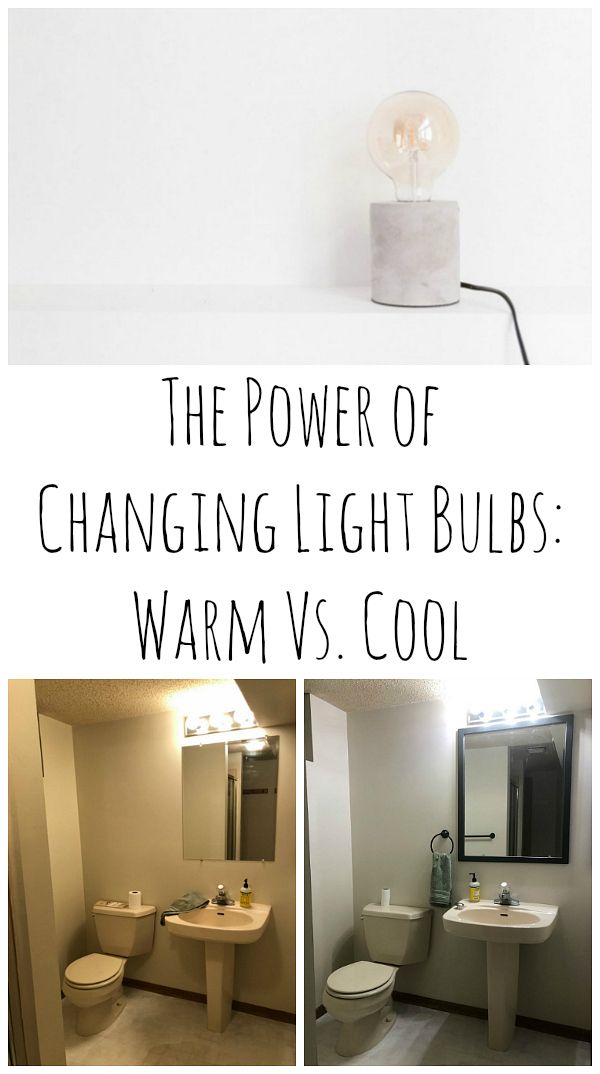
- Color Temperature: Bathrooms typically benefit from cool white light, which ranges from 4000K to 6500K on the Kelvin scale. This type of light is bright and energizing, perfect for tasks like shaving or applying makeup.
- Dimmability: Dimmable bulbs allow you to adjust the light level, creating a more relaxing atmosphere for tasks like soaking in the tub.
- Base Type: Ensure the light bulb you choose is compatible with the socket in your bathroom fixture. The most common base types are E26 (medium base) and GU10 (bi-pin base).
Bathroom Lighting Layout: Where to Place Your Light Bulbs
The placement of your light bulbs can significantly impact the overall ambiance and functionality of your bathroom. Here are some guidelines:


| Area | Lighting Recommendation |
|---|---|
| Vanity | Task lighting, such as wall sconces or vanity lights, should be placed on either side of the mirror to minimize shadows. |
| Shower and Bathtub | Safety is paramount in these areas. Consider using waterproof, low-voltage lights with an IP67 rating. |
| Ceiling | Ambient lighting, such as a central pendant or flush mount fixture, can provide overall illumination. |
In conclusion, while you can use any light bulb in the bathroom, it's crucial to choose one that is safe, energy-efficient, and suitable for your specific needs. By understanding the requirements and factors to consider, you can create a well-lit, functional, and inviting bathroom space.




Related Articles

What Temperature Bulb for Bathroom? Ideal Lighting Guide
Choosing the Right Bulb Temperature for Your Bathroom Selecting the right light bulb for your bathroom isn't just about brightness; it's also about creating...

How to Change LED Bulb in Recessed Ceiling Light with Cover UK: Easy Step-by-Step Guide
Changing an LED Bulb in a Recessed Ceiling Light with Cover in the UK Recessed ceiling lights, also known as downlights, are a popular choice for modern homes...
How to Change a Light Bulb in a Recessed Ceiling Light with Cover: Easy Step-by-Step Guide
Step-by-Step Guide: Changing a Light Bulb in a Recessed Ceiling Light with Cover Recessed ceiling lights, also known as can lights, are a popular choice for...
How to Change LED Bulb in Recessed Ceiling Light: Step-by-Step Guide
How to Change an LED Bulb in Recessed Ceiling Light Recessed ceiling lights, also known as can lights, are a popular choice for modern homes due to their...
How to Change a Recessed Ceiling Light Bulb UK: A Step-by-Step Guide
Changing Recessed Ceiling Light Bulbs in the UK: A Step-by-Step Guide Recessed ceiling lights, also known as downlights, are a popular choice for modern homes...

The Ultimate Guide to the Pancake Light Bulb: Bright Ideas & Savings
The pancake light bulb represents a distinctive design within the world of residential and commercial lighting. Its low, disc-shaped profile makes it an ideal...