Can You Plant Around Tree Roots: Safe Gardening Tips
Planting around established tree roots is a common dilemma for homeowners and gardeners looking to enhance their landscape. The urge to add flowers or shrubs to a bare spot beneath a towering oak or maple is natural, but the success of this endeavor depends entirely on understanding the complex ecosystem just below the soil. Tree roots are not static; they are dynamic, wide-reaching structures that compete fiercely for water and nutrients. To determine if you can plant around them, you must first assess the specific tree species, the age of the tree, and the density of the root zone.
Understanding the Tree Root System
The majority of a tree’s vital roots exist within the upper 12 to 18 inches of soil, spreading out as far as the drip line—the edge of the tree’s canopy. This network is responsible for absorbing water and anchoring the tree, making it incredibly fragile. Digging or compacting soil in this area can cause significant stress, potentially leading to dieback or even death. It is a myth that roots are cleanly cuttable; slicing through major roots creates open wounds that make the tree vulnerable to disease and decay. Therefore, the primary rule of planting around trees is to preserve the existing root structure as much as possible.
The Competition Factor
Newly planted additions face an uphill battle against the established tree. The mature tree’s roots absorb the majority of the available moisture and nutrients, leaving very little for smaller, less established plants. Furthermore, the shade cast by the tree canopy creates a low-light environment that limits the photosynthetic capabilities of sun-loving plants. Even plants labeled as "shade-tolerant" may struggle if they are forced to compete with a thirsty maple or poplar for water. Success requires selecting species that are naturally resilient and adapted to harsh competition.


Best Practices for Co-Planting
If planting around tree roots is necessary, the process must be handled with surgical precision. The goal is to minimize soil disturbance. Instead of deep tilling, opt for shallow surface preparation. You should aim to create planting pockets or raised beds using high-quality topsoil and compost, placing them on top of the existing root mass rather than digging into it. Mulch is essential, but keep it a few inches away from the tree trunk itself to prevent rot. This method allows the new plants to root in the fresh soil while leaving the tree's primary root system undisturbed.
Ideal Plant Choices
Not all plants are suitable for life under a tree. You should look for species that thrive in dry shade and require minimal watering, as these traits reduce the need to disturb the soil near the trunk. Excellent options include:


- Wild Ginger (Asarum)
- Foamflower (Tiarella)
- Bunchberry (Cornus canadensis)
- Periwinkle (Vinca minor)
- Hostas (only in areas with consistent moisture)
Avoid plants that require frequent division or heavy feeding, as the process of maintaining them will damage the tree roots over time.
Potential Risks and Considerations
Ignoring the tree's needs in favor of the new plantings is a recipe for disaster. If the tree begins to decline—evidenced by premature yellowing of leaves, early fall color, or thinning canopy—the cause is often root disturbance from the gardening activity. It is also crucial to consider the tree's age; a mature tree can handle more abuse than a young sapling still establishing its root system. In many cases, placing a bench or a ring of decorative gravel around the base is a safer and more visually appealing solution than forcing plants to grow in a root desert.
When to Avoid Planting Altogether
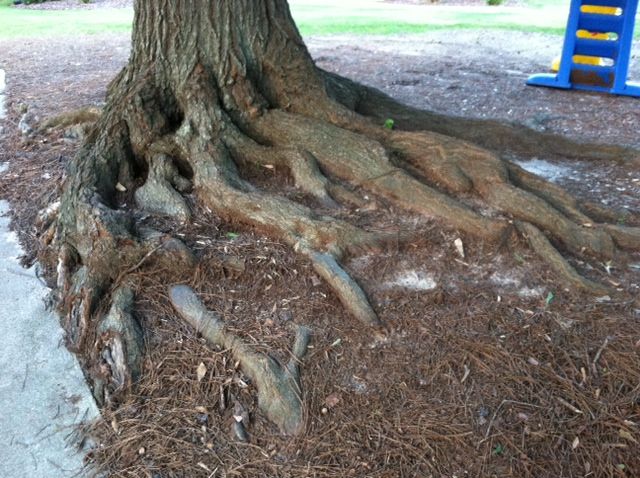
Some scenarios demand a hands-off approach. If the roots are already exposed and creating a trip hazard, attempting to add soil or plants will only exacerbate the problem. Similarly, if the tree is in a state of stress due to disease or pests, adding new plants will likely fail. In these instances, the best course of action is to apply a generous layer of mulch to suppress weeds and improve soil health, allowing the tree to recover rather than competing for resources.




Related Articles

Mastering How to Landscape Around Tree Roots: Tips for a Thriving Yard
Landscaping around established tree roots presents a unique challenge for homeowners and gardeners. The goal is to create an attractive, functional ground...

Are Caladiums Poisonous to Pets? Safe Gardening Tips
Are you a pet owner who loves to brighten up your home with beautiful plants? If so, you might be wondering about the safety of your furry friends around your...

Is It OK to Plant Dahlias in Pots? Container Gardening Tips
Planting dahlias in pots is not only acceptable but often an ideal solution for gardeners working with limited space or wanting to optimize their growing...

Do Zinnias Grow Back Every Year? Gardening Tips For Regrowth
Zinnias are the cheerful workhorses of the summer garden, delivering vibrant color from mid-season until the first frost. For many gardeners, a recurring...

What to Plant Around a Birch Tree: Best Companion Plants
Birch trees bring a sense of quiet elegance to the landscape, with their striking bark and delicate foliage. Choosing what to plant around a birch tree...
Creative Landscape Ideas Around Tree Roots
Beneath the soil, a complex network of roots sustains a tree, yet this vital system often creates challenges for the surrounding landscape. Transforming these...