Painting Wall Tiles Successfully: A Complete Guide
Can You Paint Wall Tiles Successfully? A Comprehensive Guide
Wall tiles are a popular choice for their durability and low maintenance, but what if you want to change their appearance? Can you paint wall tiles successfully? The short answer is yes, but it's not as simple as grabbing a paintbrush and going to town. This guide will walk you through the process, its pros and cons, and when to consider alternatives.
Understanding Wall Tiles and Paint
Wall tiles are typically made of ceramic or porcelain, which are non-porous and don't absorb moisture. This is why they're great for bathrooms and kitchens. However, this also means they don't bond well with paint, which is designed to adhere to porous surfaces like wood or drywall. To make paint stick to tiles, you'll need to prepare the surface properly.
Preparing Your Tiles for Painting
Before you start painting, ensure your tiles are clean, dry, and free of any mold or mildew. Here's a step-by-step guide:


- Remove any existing caulk or grout.
- Clean the tiles with a mixture of water and mild detergent, then rinse and dry thoroughly.
- Lightly sand the tiles to create a rough surface for the paint to adhere to. Wipe off any dust with a damp cloth.
- Apply a primer designed for non-porous surfaces. This will help the paint stick and improve its durability.
Choosing the Right Paint
Not all paints are created equal, and not all are suitable for wall tiles. Here are some options to consider:
| Paint Type | Pros | Cons |
|---|---|---|
| Acrylic Latex | Durable, water-resistant, and easy to clean. | May not adhere as well to non-porous surfaces without a proper primer. |
| Epoxy | Highly durable, resistant to chemicals, and can be used in high-traffic areas. | Strong fumes during application, requires careful handling, and can be more expensive. |
| Chalkboard Paint | Allows you to write on the tiles with chalk, great for kitchen or laundry room organization. | May not be as durable as other options and can be more difficult to clean. |
Painting Your Wall Tiles
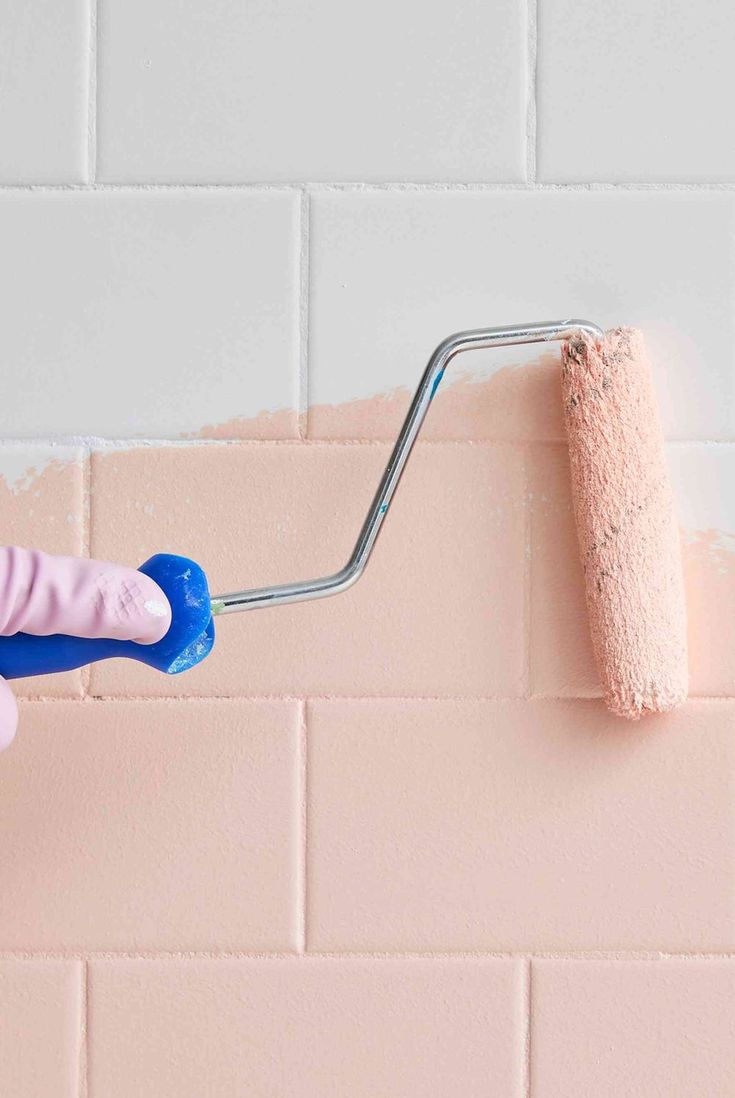
Now that your tiles are prepared and you've chosen your paint, it's time to start painting. Here are some tips:


- Use a small paintbrush or roller designed for tight spaces to ensure even coverage.
- Work in small sections at a time to prevent the paint from drying before you can apply a second coat.
- Apply thin, even coats to avoid drips and ensure the paint adheres properly.
- Allow each coat to dry completely before applying the next. This can take anywhere from 24 to 48 hours.
Pros and Cons of Painting Wall Tiles
Painting wall tiles can be a great way to update their appearance, but it's not without its drawbacks. Here are some pros and cons to consider:
- Pros: Allows you to change the color of your tiles without the cost and hassle of replacing them, can be done in a weekend, and can add a unique touch to your space.
- Cons: The paint may not last as long as the tiles themselves, may not be suitable for high-moisture areas without proper sealing, and may not be as easy to clean as the original tiles.
Alternatives to Painting Wall Tiles
If you're not convinced that painting your wall tiles is the right choice, there are other options to consider:
- Re-grouting: If your tiles are in good condition but the grout is looking dated, re-grouting can give your space a fresh new look.
- Tile Paint Pens: These allow you to add designs or patterns to your tiles without the need for painting the entire surface.
- Wallpaper: If your tiles are in good condition but you want to change the appearance of the wall, wallpaper can be a great option. Just ensure you choose a type that's suitable for use with tiles.
In conclusion, while it's possible to paint wall tiles successfully, it's important to understand the process and its limitations. With the right preparation, paint, and care, your painted tiles can last for years to come. However, if you're looking for a more permanent solution or have concerns about the durability of painted tiles, there are other options to consider.




Related Articles

Painting IKEA Malm Furniture: Complete DIY Guide & Tips
Yes, you can absolutely paint IKEA Malm furniture to transform its look and make it a perfect fit for your personal space. The sleek, minimalist design of the...

Watercolor Painting Step-by-Step: A Beginner's Guide to Masterful Techniques
Mastering Watercolor Painting: A Step-by-Step Guide Embark on a creative journey with watercolor painting, a versatile and captivating medium that allows you...

What Size Trowel for Subway Wall Tiles? ✨ Expert Guide
Choosing the Right Trowel Size for Subway Wall Tiles When it comes to installing subway wall tiles, selecting the right trowel size is crucial for a...

Understanding Recessed Wall Niche Meaning: A Complete Guide
Niches in architecture, particularly in the context of interior design, have evolved from simple functional spaces to stylish and practical features that...

Beginner's Guide to Painting: Easy Step-by-Step Tutorial
Unleashing Your Inner Picasso: A Beginner's Guide to Painting Embarking on a painting journey can be an incredibly rewarding experience. It's a creative outlet...

Master Pattern Painting in Photoshop: Easy Step-by-Step Guide
Mastering Pattern Painting in Photoshop: A Step-by-Step Guide Are you eager to add intricate patterns to your digital art or designs? Adobe Photoshop offers a...