Laying Pavers on Artificial Grass: Durable, Drainage & Design Tips
Have you ever considered enhancing your outdoor space by combining the lush, low-maintenance appeal of artificial grass with the elegant, textural charm of pavers? It's a trend that's gaining traction, but it's essential to understand the logistics before you start your project. So, can you lay pavers on top of artificial grass? The short answer is yes, but it's not as simple as just laying them on top. Let's delve into the details and explore the best practices for this unique combination.
Understanding the Benefits of Artificial Grass and Pavers
Before we dive into the installation process, let's briefly discuss the advantages of both artificial grass and pavers.
- Artificial Grass: It requires minimal maintenance, stays green all year round, and is pet-friendly and kid-friendly.
- Pavers: They add a touch of elegance, provide a non-slip surface, and can be used to create patterns and designs.
Preparation: The Key to a Successful Installation
The success of your project depends heavily on the preparation. Here are some steps to follow:


- Ensure your artificial grass is securely attached and in good condition. If it's not, you may need to replace it before installing the pavers.
- Choose pavers that are suitable for outdoor use and can withstand the weight of people and furniture. Concrete, clay, and natural stone pavers are popular choices.
- Gather your tools: you'll need a tape measure, a rubber mallet, a level, sand, and a trowel, among other things.
Creating a Stable Base
Pavers need a solid, level base to sit on. Here's how to prepare the base:
- Remove any debris or uneven areas from your artificial grass.
- Lay down a layer of sand, about 1-2 inches deep, ensuring it's level and well-compacted.
- Use a screed board to ensure the sand is level and slopes slightly away from buildings to allow for water drainage.
Laying the Pavers: Step by Step
Now that your base is prepared, it's time to lay the pavers. Here's a step-by-step guide:


- Start from one corner and lay the pavers in a straight line, using a spacer to ensure even joints.
- Use a rubber mallet to tap down each paver, ensuring they're level with the sand and each other.
- Continue laying pavers in this manner, working your way across the area.
- Once you've laid all the pavers, sweep sand over the surface to fill the joints. This helps to lock the pavers in place and prevents weeds from growing.
Maintenance Tips
Proper maintenance is key to ensuring your pavers and artificial grass combination lasts for years to come. Here are some tips:
- Regularly sweep the pavers to remove debris and prevent moss or algae growth.
- Inspect the pavers regularly for any signs of damage or movement. If you notice any, repair them promptly to prevent further issues.
- Keep your artificial grass clean and well-maintained to ensure it continues to look its best.
Alternatives to Consider
While laying pavers on top of artificial grass can create a beautiful, low-maintenance space, it's not the only option. Here are a couple of alternatives to consider:
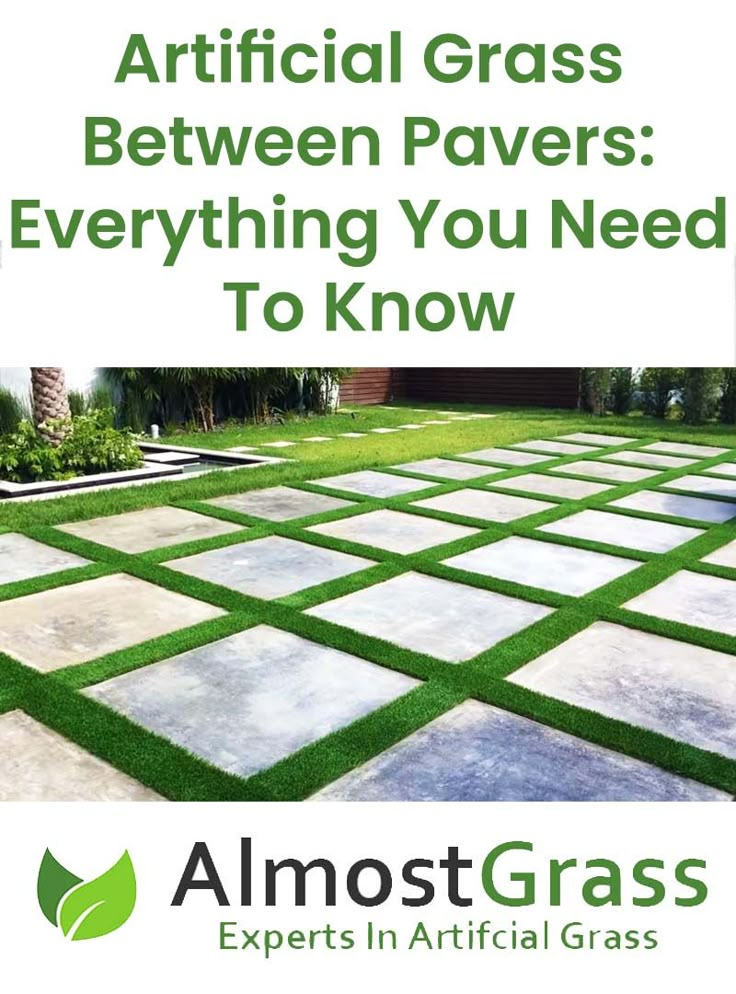
- Frame the Artificial Grass: You could frame your artificial grass with pavers, creating a border that enhances the look of your space.
- Use Artificial Grass Pavers: These are made from recycled materials and can be installed like regular pavers, creating a unique, eco-friendly look.
In conclusion, while it's possible to lay pavers on top of artificial grass, it's essential to follow the right steps to ensure a successful, long-lasting installation. With the right preparation and maintenance, your combination of artificial grass and pavers can create a stunning, low-maintenance outdoor space that you'll enjoy for years to come.


Related Articles

The Ultimate Guide to Artificial Grass and Pavers: Design & Installation Tips
Revolutionizing Landscaping: Artificial Grass and Pavers In the realm of modern landscaping, two materials have emerged as game-changers: artificial grass and...

Laying Artificial Grass on Rocks: Complete Guide & Tips
Ever found yourself in a situation where you're eager to transform your rock-covered landscape into a lush, green oasis, but you're unsure if artificial grass...

Can You Put Artificial Grass on Concrete? Tips & Installation Guide
Ever considered transforming your concrete patio, balcony, or rooftop into a lush, green oasis? Artificial grass might be just the solution you're looking for...

The Complete Guide: What Gravel to Use Under Artificial Grass for Drainage & Stability
Choosing the Right Gravel for Artificial Grass: A Comprehensive Guide When installing artificial grass, the base layer is crucial for ensuring the longevity...

Artificial Grass Fence for Sale: Durable, Low-Maintenance Solutions
Revolutionize Your Outdoor Space: Discover the Benefits of Artificial Grass Fences for Sale In the quest for low-maintenance, eco-friendly, and stylish outdoor...

Perfect Artificial Grass Edges: Durable, Seamless & Low-Maintenance Landscaping Solutions
Mastering Artificial Grass Edges: A Comprehensive Guide Artificial grass has revolutionized the way we maintain our lawns, offering low-maintenance, evergreen...