Can You Grow Outdoor Succulents Indoors? Sunlight Secrets & Care Tips
Bringing the rustic charm of outdoor succulents into your home is a tempting idea, especially when the weather turns harsh or your garden design requires a specific aesthetic. The question, "can you grow outdoor succulents indoors," is one that many plant enthusiasts grapple with when trying to preserve a beloved landscape or simply add a touch of architectural beauty to their living space. While it is technically possible to keep these drought-loving plants alive inside, success requires a fundamental shift in your approach to replicating their natural environment.
Understanding the Succulent's Needs
Outdoor succulents have evolved to thrive in specific conditions that are often in stark contrast to a typical home interior. Their defining characteristic is water storage, which allows them to survive in arid climates. Indoors, the most common pitfalls are overwatering and insufficient light, which are the primary reasons these plants struggle. To succeed, you must prioritize emulating their native sunny, dry habitats rather than treating them like standard houseplants that enjoy moderate humidity and frequent watering.
The Critical Role of Light
Light is arguably the most significant factor when transitioning succulents from outdoors to indoors. Outside, they are exposed to full-spectrum sunlight, which includes intense ultraviolet rays. Standard indoor lighting, even near a sunny window, is often filtered and insufficient, leading to a condition known as etiolation. This causes the plant to stretch, become leggy, and lose its compact, vibrant appearance. To combat this, you need to identify the sunniest spot in your home, ideally a south-facing window that provides at least four to six hours of direct, unfiltered light.


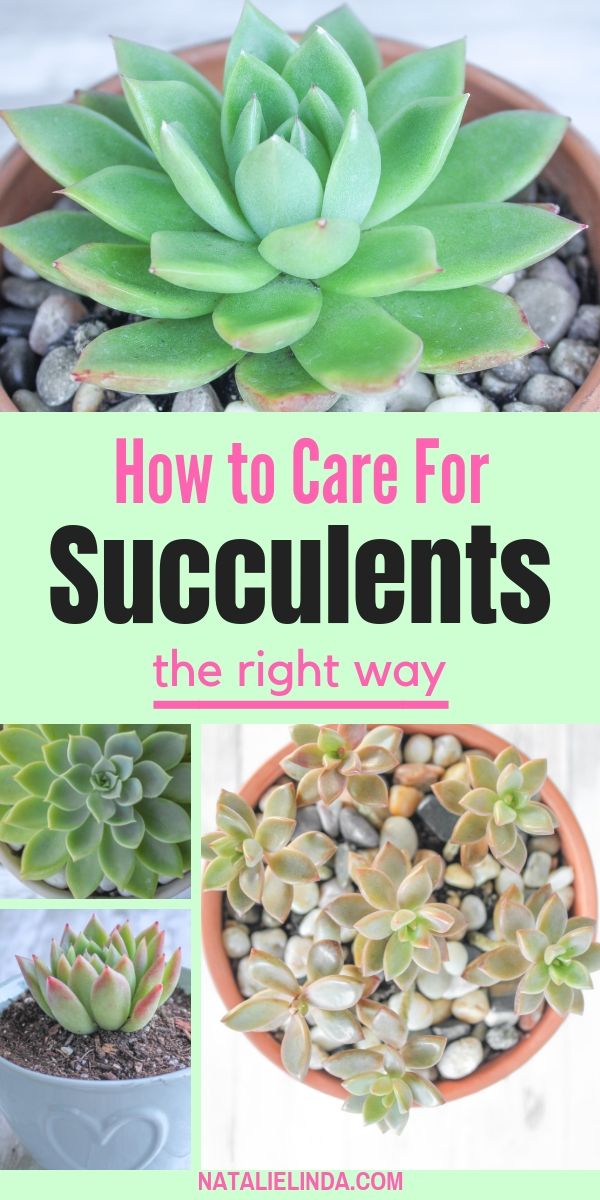
- South-Facing Exposure: This is the gold standard for indoor light, offering the brightest and most consistent illumination throughout the day.
- Supplemental Grow Lights: If natural light is inadequate, investing in LED grow lights is the most effective way to provide the intense spectrum these plants require.
- Avoiding Rot: Unlike their light needs, succulents are averse to sitting in damp soil. Always use a pot with drainage holes to prevent root rot, a quick killer in low-light conditions.
Adjusting Water and Soil Dynamics
Watering practices that work for tropical houseplants will quickly kill an outdoor succulent. Because indoor environments are generally more humid and the soil stays moist longer, the frequency of watering must be drastically reduced. You should adopt a soak and dry method, allowing the soil to dry out completely between waterings. The physical properties of the soil are just as important as the schedule; standard potting soil holds too much water and will suffocate the roots.
A specialized cactus or succulent mix, amended with extra perlite or pumice, is essential to ensure rapid drainage. This gritty texture mimics the sandy soils they are used to, preventing water from pooling around the roots. Think of the soil as the foundation of their indoor health—if the medium stays wet, the plant will not survive.


Environmental Considerations
Indoor environments often create a microclimate that is vastly different from the outdoor one. Central heating and air conditioning create dry air, which most succulents tolerate better than high humidity, but they still prefer stable temperatures. Protect your plants from cold drafts from windows and hot air blowing from vents. Sudden temperature fluctuations can shock the plant and cause leaf drop or stress, making it more susceptible to disease.
Furthermore, while they enjoy bright light, be cautious of intense heat from glass windows during the summer months. A sheer curtain can filter harsh rays and prevent leaf burn, acting as a buffer between the intense sun and the plant's delicate tissue. Monitoring these subtle environmental factors is the key to long-term success.
Long-Term Maintenance and GrowthEven with optimal care, growing outdoor succulents indoors is a slower process than in their natural habitat. You likely will not see significant size increases or flowering, as these events are often triggered by specific outdoor cues like seasonal temperature changes and extended daylight. The goal indoors is maintenance and preservation rather than aggressive growth. You might notice that the plant requires less water during the winter months when growth naturally slows, aligning with the reduced light levels.


Dust accumulation on the leaves can also impede the plant's ability to photosynthesize efficiently. Periodically wiping the leaves with a damp cloth or giving them a gentle rinse in the sink (if the pot allows) will help the plant breathe and absorb light. By treating your indoor succulent as a slow, steady accent piece rather than a fast-growing feature, you set realistic expectations for its development.


Related Articles

How to Grow Succulents Indoors Without Sunlight: Thriving Tips
The idea of growing succulents indoors without sunlight may seem counterintuitive, but it is entirely possible with the right strategies. While these...

Can Wisteria Grow Indoors? Sunlight, Care & Bloom Tips
Can Wisteria Grow Indoors? A Comprehensive Guide Wisteria, with its stunning purple flowers and lush foliage, is a beloved plant that often graces the pages of...

Can You Grow Pencil Cactus Indoors? Sunlight & Care Tips
Bringing a pencil cactus indoors is not only possible, it is often the ideal environment for this striking succulent. Native to dry, tropical regions of Africa...

Can Succulents Grow Indoors in Low Light? Thriving Tips for Shade-Loving Succulents
Bringing the outdoors inside has never been more popular, and few plant categories offer the same blend of style and accessibility as succulents. Their...

Does Coleus Grow Fast? Speedy Growth Secrets & Care Tips
If you're a plant enthusiast or a gardener looking to add some vibrant color to your space, you might be wondering, "Does coleus grow fast?" The answer is a...

Can a Coleus Plant Live Indoors? Sunlight & Care Tips
Are you considering adding a vibrant Coleus plant to your indoor space? You're not alone. Coleus (Plectranthus scutellarioides) is a popular houseplant known...