Warmth Underfoot: The Ultimate Guide to Bathroom Heating Floors
Elevate Comfort and Safety: Exploring Bathroom Heated Floors
Imagine stepping out of your shower onto a warm, inviting floor on a chilly morning. This is not a fantasy, but a reality made possible by bathroom heated floors. Also known as radiant floor heating, this innovative system transforms your bathroom into a cozy, comfortable sanctuary. Let's delve into the world of bathroom heated floors, their benefits, types, and installation.
Unveiling the Benefits of Bathroom Heated Floors
Bathroom heated floors offer a myriad of advantages that extend beyond mere comfort. Here are some key benefits:
- Consistent Heat: Unlike traditional heating methods, heated floors provide even, consistent heat from the ground up, eliminating cold spots and drafts.
- Energy Efficiency: Radiant floor heating is more energy-efficient as it heats objects directly, reducing heat loss and energy consumption.
- Safety and Hygiene: With no exposed heating elements or vents, heated floors eliminate the risk of burns and reduce dust circulation, promoting a cleaner, healthier environment.
- Design Flexibility: Heated floors can be installed under various flooring materials, including tile, stone, and hardwood, offering design versatility.
- Longevity and Low Maintenance: With no moving parts or frequent maintenance requirements, bathroom heated floors offer durability and long-term cost savings.
Types of Bathroom Heated Floors
Two primary types of bathroom heated floors exist, each with its unique features and applications:


Electric Heated Floors
Electric heated floors use electric cables or mats embedded in the floor to generate heat. They are easy to install, offer zoned heating, and can be controlled using thermostats or smart home systems. However, they may have higher upfront costs and operating expenses compared to hydronic systems.
Hydronic Heated Floors
Hydronic heated floors circulate warm water through a network of pipes embedded in the floor. They are more energy-efficient, have lower operating costs, and can be integrated with existing heating systems. However, installation can be more complex and expensive than electric systems.


Installing Bathroom Heated Floors: A Step-by-Step Guide
Installing bathroom heated floors involves several steps, from planning to completion. Here's a simplified guide to help you understand the process:
| Step | Action |
|---|---|
| 1 | Assess your bathroom's layout, size, and existing heating system to determine the most suitable heated floor type and layout. |
| 2 | Prepare the subfloor by ensuring it's clean, dry, and level. Install a layer of insulation to maximize heating efficiency. |
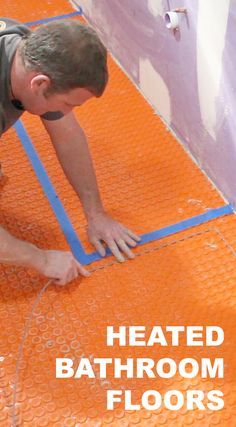
| 3 | For electric systems, install electric cables or mats according to the manufacturer's instructions. For hydronic systems, lay out and secure the piping network. |
| 4 | Install the chosen flooring material, following the manufacturer's guidelines for heated floors. |
| 5 | Connect the heated floor system to the power source (electric) or heating system (hydronic) and test the installation. |
While this guide provides an overview, it's essential to consult professional help for a safe and successful installation.
Bathroom heated floors are not just a luxury; they are an investment in comfort, safety, and energy efficiency. By understanding the benefits, types, and installation process, you can make an informed decision and transform your bathroom into a warm, inviting sanctuary.




Related Articles
Warmth Underfoot: The Ultimate Guide to Radiant Heating in Bathroom Floors
Radiant Heating for Bathroom Floors: A Comprehensive Guide Imagine stepping out of your shower on a chilly morning, your feet sinking into a warm, comforting...
Warmth Underfoot: The Ultimate Guide to Bathroom Heating Tiles
Transform your bathroom into a cozy, inviting space with the perfect heating solution - bathroom heating tiles. These innovative tiles not only provide warmth...

Warmth Underfoot: The Ultimate Guide to Underfloor Bathroom Heating NZ
Underfloor Bathroom Heating in New Zealand: A Comprehensive Guide Transform your bathroom into a sanctuary of warmth and comfort with underfloor bathroom...

The Ultimate Guide to Bathroom Heating Ideas UK: Warmth & Style
Elevate Your Comfort: Innovative Bathroom Heating Ideas for UK Homes Transform your bathroom into a cosy sanctuary with these ingenious heating solutions...
Is Bathroom Floor Heating Worth It? The Ultimate 2024 Guide to Heated Floors
Bathroom Floor Heating: A Comprehensive Guide to Comfort and Cost In the quest for a perfect bathroom, one feature that often gets overlooked is floor heating...

How to Heat Tile Floors After Installation in Bathroom: Warmth Underfoot Guide
Transforming your bathroom into a cozy, inviting space is now possible with heated tile floors. After a successful installation, you might be wondering how to...