Stunning Backyard Tiered Garden Ideas for a Greener Oasis
Transform Your Outdoor Space: The Allure of Backyard Tiered Gardens
In the quest for a lush, inviting outdoor space, many homeowners are turning to the timeless charm of backyard tiered gardens. This vertical gardening technique not only maximizes your garden's visual impact but also offers numerous practical benefits. Let's delve into the world of tiered gardens, exploring their advantages, design considerations, and step-by-step creation process.
Understanding Tiered Gardens: A Vertical Revolution
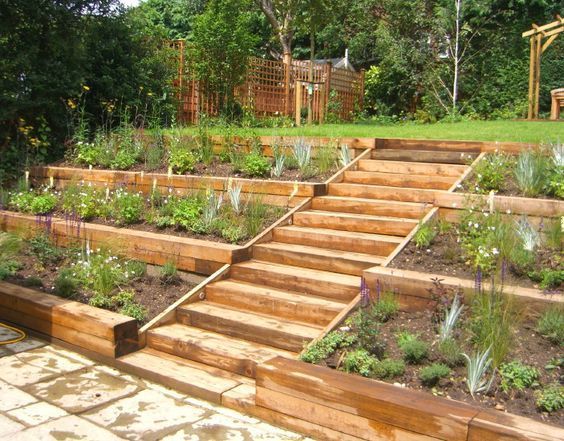
Tiered gardens, also known as raised bed gardens or stepped gardens, are designed by creating multiple levels or 'tiers' using retaining walls or terraces. This approach allows you to grow more plants in less space, making it an ideal solution for small gardens or those with challenging terrain. By utilizing vertical space, you can create a visually stunning, multi-dimensional garden that adds depth and character to your backyard.
Benefits of Backyard Tiered Gardens
- Space Efficiency: Tiered gardens allow you to grow more plants in a smaller footprint, making them perfect for urban gardens or those with limited space.
- Drainage and Soil Control: By elevating your plants, you can control soil quality and drainage, preventing waterlogging and improving plant health.
- Accessibility: Tiered gardens make it easier to tend to your plants, as you can work at a comfortable height without straining your back.
- Visual Interest: The multi-level design of tiered gardens creates a dynamic, eye-catching landscape that adds depth and dimension to your backyard.
- Privacy and Screening: Tiered gardens can serve as an effective privacy screen, blocking unsightly views and creating a secluded oasis in your backyard.
Designing Your Tiered Garden: Key Considerations
Before you break ground on your tiered garden, consider the following design elements to ensure your garden is both functional and visually appealing:


1. Choose Your Materials
Retaining walls can be constructed from a variety of materials, including wood, stone, concrete blocks, or metal. Select a material that complements your home's architecture and reflects your personal style.
2. Determine the Layout
Sketch out your garden's layout, considering factors such as sunlight exposure, plant types, and access points. Create a balanced design with a mix of heights and plant varieties to maximize visual interest.


3. Consider Drainage
Ensure your tiers have adequate drainage to prevent waterlogging, which can damage plants and cause structural issues with your retaining walls. Install drainage pipes or create gravel-filled drainage channels to facilitate water flow.
Creating Your Tiered Garden: A Step-by-Step Guide
With your design in place, it's time to bring your tiered garden to life. Follow these steps to create a stunning vertical oasis in your backyard:
1. Prepare the Site
Clear the area of debris and vegetation, then mark out the location of your retaining walls using stakes and string. Excavate the soil to a depth of 6-12 inches, depending on the height of your tiers.


2. Build the Retaining Walls
Construct your retaining walls according to the manufacturer's instructions, ensuring they are level and plumb. For wooden walls, use pressure-treated lumber and secure the boards with galvanized nails or screws. For masonry walls, use a level and trowel to apply mortar between the blocks or stones.
3. Install Drainage
Before backfilling the retaining walls, install drainage pipes or create gravel-filled drainage channels to ensure proper water flow. Cover the drainage system with a layer of landscape fabric to prevent soil from clogging the pipes.
4. Fill the Tiers with Soil
Fill each tier with a mix of high-quality topsoil, compost, and potting soil, ensuring the soil is well-draining and rich in nutrients. Rake the soil level and remove any air pockets by gently tamping it down.




5. Plant Your Garden
Select plants that thrive in the sunlight exposure and soil conditions of your tiered garden. Consider a mix of annuals, perennials, and shrubs to create a lush, vibrant landscape. Plant your selections, spacing them appropriately for growth and maintenance.
6. Maintain Your Garden
Water your tiered garden regularly, ensuring each tier receives adequate moisture. Apply a balanced fertilizer in the spring and fall to promote healthy plant growth. Prune and divide plants as needed to maintain their shape and encourage new growth.
Inspirational Tiered Garden Ideas
To spark your creativity, consider these tiered garden ideas that incorporate unique design elements and plant combinations:
| Garden Style | Plant Suggestions |
|---|---|
| Mediterranean | Olive trees, lavender, rosemary, thyme, and colorful annuals like petunias and impatiens. |
| Japanese-inspired | Bamboo, maple trees, azaleas, hydrangeas, and mosses for a serene, tranquil atmosphere. |
| Tropical oasis | Banana plants, palm trees, ferns, and vibrant annuals like impatiens and coleus for a lush, exotic feel. |
| Herb garden | Basil, parsley, cilantro, thyme, rosemary, and oregano, along with decorative edging plants like society garlic and chives. |
By embracing the timeless charm of backyard tiered gardens, you can transform your outdoor space into a lush, inviting oasis that maximizes your garden's potential. With careful planning and attention to detail, you'll create a stunning vertical garden that adds depth, character, and functionality to your backyard.
Related Articles

20+ Stunning Tiered Planter Ideas for a Vertical Garden Oasis
Tiered planters are a fantastic way to maximize your gardening space, create visual interest, and display your plants in style. They're perfect for both indoor...

Stunning Terrace Garden Landscape Ideas for a Greener Oasis
Transform Your Vertical Space: Inspiring Terrace Garden Landscape Ideas In the quest for a lush, green oasis, you don't always need a sprawling backyard...

10 Stunning Perennial Full Sun Garden Ideas for a Vibrant, Low-Maintenance Oasis
Creating a Vibrant Perennial Full Sun Garden: Ideas and Inspiration Transform your outdoor space into a lush, colorful oasis with these perennial full sun...

Stunning Courtyard Ideas to Transform Your Backyard Oasis
Transform Your Backyard: Inspiring Courtyard Ideas Your backyard is more than just a space; it's an extension of your home, a canvas for your creativity, and a...

Stunning Poolside Oasis: Top Landscaping Ideas to Transform Your Backyard
Creating a stunning pool area begins long before the first dive. The landscaping around your pool is the foundation of its entire aesthetic, transforming a...

Stunning Pool Garden Bed Ideas for a Lush Oasis
Transforming the area around your pool into a functional and beautiful garden is one of the most impactful upgrades a homeowner can make. A pool garden bed...