Attached Pergola Plan: Free Designs & Build Guide
Designing an Attached Pergola Plan: A Comprehensive Guide
An attached pergola is a beautiful and functional addition to any home, providing shade, enhancing curb appeal, and extending your living space. Whether you're planning to build it yourself or hire a professional, this comprehensive guide will help you create the perfect attached pergola plan.
Understanding Attached Pergolas
Before diving into the planning process, it's essential to understand what an attached pergola is and its benefits. An attached pergola is a freestanding structure that is connected to your house, typically on one side. It provides a transitional space between your indoor and outdoor living areas, making it an ideal spot for relaxing, dining, or entertaining.
- Increases home value
- Provides shade and protection from the elements
- Creates a seamless transition between indoor and outdoor spaces
- Offers customization options to match your home's architecture
Assessing Your Space and Needs
Before finalizing your attached pergola plan, assess your space and determine your needs. Consider the following factors:


- The size of your available space
- The purpose of the pergola (relaxation, dining, entertaining, etc.)
- Your budget
- Any local building codes or homeowner association rules
Choosing the Right Pergola Style and Materials
Attached pergolas come in various styles, from classic and traditional to modern and contemporary. The style you choose should complement your home's architecture and reflect your personal taste. Additionally, consider the materials used in construction, such as wood, vinyl, or composite. Each material has its advantages in terms of durability, maintenance, and aesthetics.
Wooden Pergolas
Wooden pergolas offer a classic, timeless look and can be stained or painted to match your home's exterior. They require regular maintenance, including staining or sealing every few years, to protect against rot and insect damage.


Vinyl Pergolas
Vinyl pergolas are low-maintenance, durable, and resistant to rot, insects, and fading. They are available in various colors and styles to match your home's exterior. However, they can become brittle in extreme temperatures and may not be as eco-friendly as other options.
Composite Pergolas
Composite pergolas are made from a combination of recycled plastic and wood fibers, making them eco-friendly and durable. They require minimal maintenance, resist rot and insects, and can be designed to resemble natural wood. However, they may be more expensive than other options.
Creating a Detailed Attached Pergola Plan
Once you've determined the style, materials, and size of your attached pergola, it's time to create a detailed plan. This should include:


- Detailed measurements and sketches of the structure
- Specifications for the materials and hardware required
- Any necessary permits or approvals from local authorities
- A timeline for the construction process
Designing the Pergola Layout
When designing the layout of your attached pergola, consider the following elements:
- The height and width of the structure
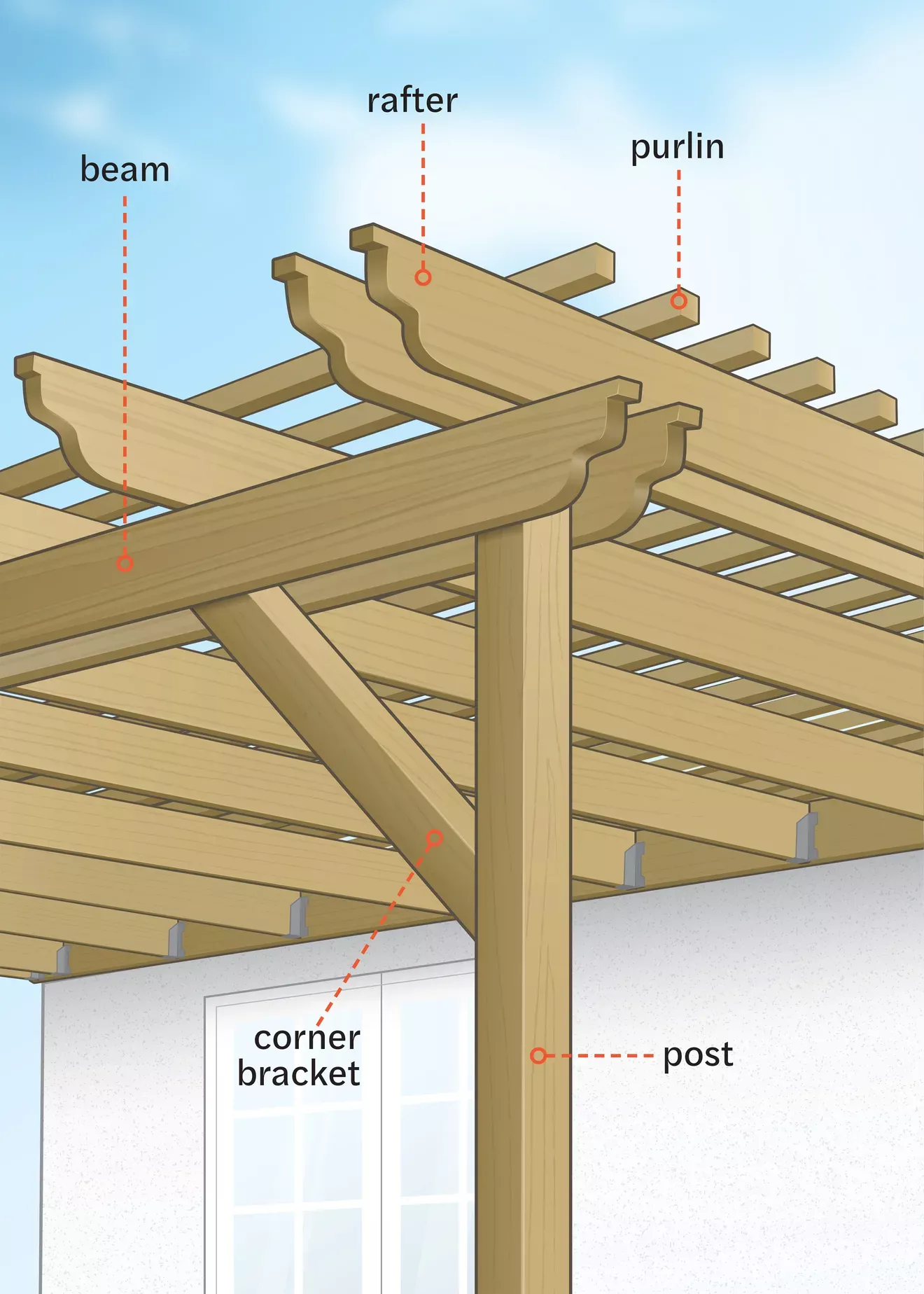
- The placement of support beams and posts
- The design of the rafters and latticework
- The addition of features like lighting, fans, or heating elements
Preparing the Site and Gathering Materials
Before beginning construction, prepare the site by clearing the area of debris and ensuring it is level. Gather all necessary materials and tools, including:
- Lumber or composite materials
- Hardware, such as screws, bolts, and brackets
- Tools, such as a saw, drill, level, and tape measure
Building Your Attached Pergola
With a detailed plan and all necessary materials and tools at hand, you can begin constructing your attached pergola. Follow these steps for a successful build:




| Step | Task |
|---|---|
| 1 | Layout and mark the location of the support posts |
| 2 | Dig post holes and set the posts in concrete |
| 3 | Attach the support beams to the posts |
| 4 | Install the rafters and latticework |
| 5 | Add any desired features, such as lighting or fans |
| 6 | Finishing touches, such as staining or painting |
Throughout the construction process, ensure that the structure remains level and square. Regularly check your progress against your detailed plan to ensure accuracy and adherence to your design.
Maintaining Your Attached Pergola
Once your attached pergola is complete, regular maintenance will help ensure its longevity and beauty. This may include:
- Cleaning the structure to remove dirt and debris
- Inspecting for and addressing any signs of damage or wear
- Staining or sealing wooden structures to protect against the elements
- Trimming any nearby trees or plants that may cause damage or block sunlight
By following this comprehensive guide, you'll be well on your way to creating the perfect attached pergola plan and enhancing your home's beauty and functionality. Whether you're a DIY enthusiast or hiring a professional, careful planning and attention to detail will result in a stunning addition to your outdoor living space.
Related Articles

The Ultimate 10x12 Greenhouse Plan: Free Designs & Build Guide
Are you considering building a greenhouse to cultivate your plants in a controlled environment? A 10x12 greenhouse plan might be just what you need. This size...

DIY Attached Pergola: Stunning Outdoor Designs & Easy Build Guide
Elevate Your Outdoor Space: A Comprehensive Guide to Building a DIY Attached Pergola An attached pergola is an excellent way to expand your living space...

The Ultimate Guide to Building an Attached Pergola with Roof
Building an Attached Pergola with Roof: A Comprehensive Guide Adding an attached pergola with a roof to your home is an excellent way to expand your living...
Build Your Own Pergola Attached to House: DIY Guide & Ideas
Transform Your Outdoor Space: Building a Pergola Attached to Your House Adding a pergola to your house not only enhances your home's curb appeal but also...
The Ultimate Guide to Building a Wooden Lean-To Pergola: DIY Tips & Designs
Build a Wooden Lean-To Pergola: A Comprehensive Guide Adding a wooden lean-to pergola to your outdoor space can enhance its aesthetic appeal and functionality...
How Much to Build a Pergola Attached to House: Cost Breakdown & DIY Guide
Embarking on a home improvement project like building a pergola attached to your house can significantly enhance your outdoor living space. But before you grab...