Are Succulents Good Indoor Plants? The Ultimate Easy-Care Guide
Succulents have surged in popularity as go-to houseplants, and for good reason. Their fleshy leaves, sculptural forms, and low-maintenance nature make them ideal companions for modern indoor living. Unlike many high-maintenance ornamentals, these drought-tolerant plants store water in their tissues, allowing them to thrive in typical home environments with minimal intervention. This inherent resilience is the primary factor answering the question of whether succulents are good indoor plants, but the advantages extend far beyond simple survivability.
The Core Advantages of Indoor Succulents
The adaptability of succulents to indoor conditions is their greatest asset. They tolerate the dry air and fluctuating temperatures common in heated or air-conditioned homes, where other tropical plants might struggle. Their slow growth rate means they do not need to be repotted constantly, and their compact size makes them suitable for any space, from a sunny windowsill to a crowded desk. This blend of hardiness and spatial efficiency positions them as some of the most practical choices for both novice and experienced plant parents.
Low-Maintenance Lifestyle
Time constraints and a lack of a green thumb are no longer barriers to enjoying greenery. Succulents require infrequent watering, often only every two to three weeks, depending on your home's humidity and light levels. Their care regimen flips the script on traditional houseplants—instead of constant monitoring, they benefit from a "soak and dry" approach that aligns perfectly with busy schedules. Forgetting to water them is rarely a fatal mistake, as they will simply draw from their internal reserves until the next watering.


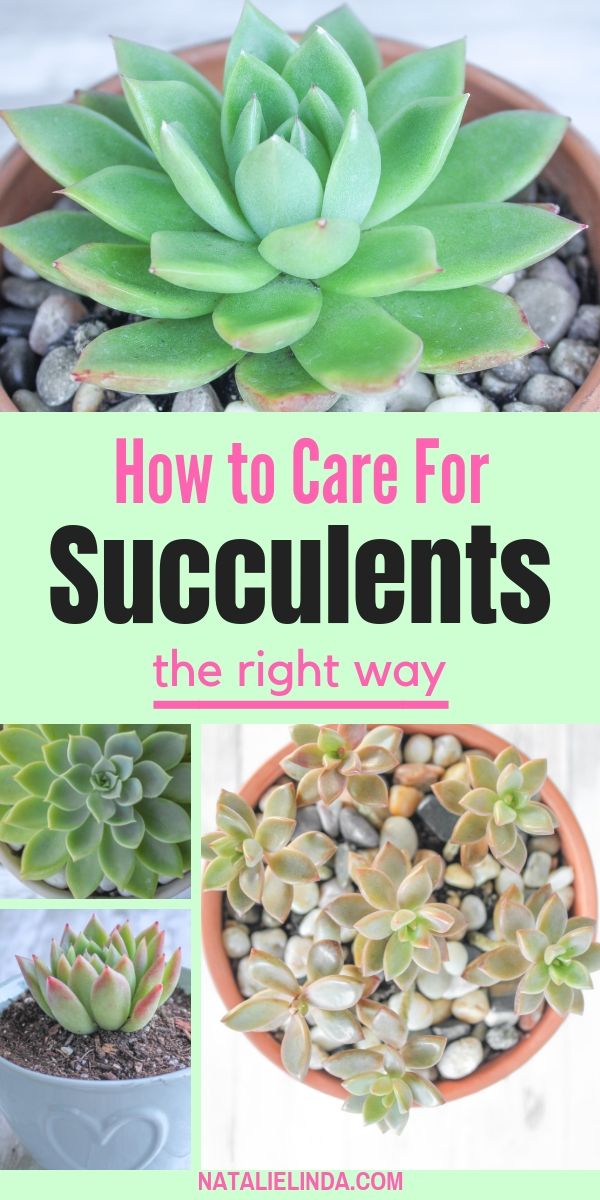
- Exceptional drought tolerance reduces watering frequency.
- Minimal pruning and fertilizing requirements.
- Resistance to most pests and diseases when not overwatered.
- Ability to thrive in standard room temperatures.
Design and Wellness Benefits
Beyond their ease of care, succulents offer significant aesthetic and psychological value. Their diverse palette ranges from deep greens and silvery blues to vibrant reds and purples, providing visual interest without the drama of flowering plants. They integrate seamlessly into contemporary décor, minimalist spaces, or rustic settings, adding a touch of organic texture. Studies on biophilic design suggest that incorporating these natural elements indoors can reduce stress and improve mood, creating a calmer atmosphere in your home or office.
Air Purification and Oxygen Production
While all plants engage in photosynthesis, succulents have a unique advantage due to their Crassulacean Acid Metabolism (CAM) cycle. Unlike most plants that absorb carbon dioxide during the day, CAM plants take in CO2 at night. This characteristic makes them particularly effective at oxygenating a room while you sleep, unlike some plants that only function during daylight hours. Although their air-purifying capacity is modest compared to large leafy tropical varieties, their ability to improve ambient air quality 24/7 is a distinct benefit for indoor environments.


| Feature | Benefit |
|---|---|
| Low Water Needs | Prevents overwatering issues common for beginners. |
| Small Footprint | Perfect for desks, shelves, or narrow windowsills. |
| Night Oxygenation | Releases oxygen while you sleep, improving air quality. |
| Visual Variety | Offers endless colors, shapes, and textures for design flexibility. |
Potential Challenges and Solutions
Success with indoor succulents hinges on replicating their native arid conditions, and the most common failure point is overwatering. Sitting in soggy soil leads to root rot, the primary cause of demise for these plants. To combat this, ensure they are planted in a gritty, well-draining cactus mix and housed in a pot with drainage holes. Light is equally crucial; a south-facing window is ideal. Without sufficient brightness, succulants will etiolate—stretching unnaturally and losing their vibrant color—signaling that they need more sun.
Maximizing Longevity Indoors
Viewing your succulent as a long-term companion rather than a disposable decoration involves a few key adjustments in routine. Rotate the pot regularly to ensure even light exposure and prevent leaning. During the active growing season in spring and summer, a light feeding with diluted cactus fertilizer can support health, but feeding should be completely stopped in the dormant winter months. By treating them with respect for their natural lifecycle—allowing them to rest and dry out—you transform them from fragile novelties into enduring architectural elements of your indoor garden.


Related Articles
Best Indoor Succulents Plants: The Ultimate Guide to Easy-Care Greenery
Bringing the serene beauty of nature indoors is easier than you might think, and few plant companions are as accessible as the best indoor succulents plants...
Are Succulents Indoor or Outdoor Plants? The Ultimate Guide
When evaluating where to place your new greenery, the question, are succulents indoor plants or outdoor plants, often arises. The truth is that these resilient...

The Ultimate Guide to the Best Fertilizer for Indoor Plants and Succulents
Selecting the best fertilizer for indoor plants and succulents is often the missing link between surviving and thriving. While quality soil and adequate light...

The Ultimate Guide to Indoor Tropical House Plants: Stylish & Easy-Care Greenery
Bring the Tropics Indoors: Popular Tropical House Plants Transform your living space into a lush, tropical oasis with these stunning and easy-to-care-for...
The Best Indoor Succulents: Ultimate Guide to Easy-Care Greenery
Selecting the best indoor succulents transforms a standard room into a curated oasis of texture and quiet resilience. Unlike high-maintenance houseplants...
The Ultimate List of Indoor Succulents: Easy-Care Plants for Your Home
Bringing the serene beauty of the desert into your home is easier than you might think, and the perfect way to do it is with a collection of indoor succulents...