Indoor or Outdoor? The Ultimate Guide to Succulent Plants
When considering where to place your new collection of fleshy-leaved plants, the question "are succulent plants for indoors or outdoors" often arises. The reality is that these resilient specimens are not confined to a single location; they thrive in both environments with the right care and understanding. The key to success lies in recognizing the distinct challenges each setting presents, from the intense power of direct sun to the varying levels of humidity and airflow. By examining the specific needs of these drought-tolerant favorites, you can determine the ideal spot—or combination of spots—for your greenery.
Understanding the Natural Habitat of Succulents
To answer whether succulents belong indoors or outdoors, it helps to look at their origins. Most species hail from arid or semi-arid regions where they evolved to store water in their leaves, stems, or roots. This adaptation makes them exceptionally drought-tolerant and capable of withstanding intense, direct sunlight for extended periods. In their native landscapes, they are accustomed to blazing heat, minimal rainfall, and excellent drainage. Replicating these conditions as closely as possible is the fundamental principle behind their care, regardless of whether they are situated on a windowsill or a patio.
Advantages of Growing Succulents Outdoors
Placing succulents in an outdoor setting often provides the most vibrant growth and coloration. The combination of natural sunlight and fresh air creates an environment where these plants can truly flourish. Intense, unfiltered light encourages compact growth and deepens the stunning pigments that make many species so desirable. Additionally, outdoor settings typically offer better airflow, which significantly reduces the risk of fungal diseases that can occur in stagnant indoor air. With the right climate, you can create a stunning, low-maintenance garden display that requires minimal intervention.


- Abundant Natural Light: Access to full sun promotes healthy growth and vibrant colors that are difficult to achieve indoors.
- Superior Air Circulation: Open spaces help prevent rot and fungal issues by allowing the soil and leaves to dry quickly.
- Temperature Fluctuations: Many species benefit from the natural cooling effects of nighttime breezes, which mimic their native environments.
The Critical Consideration: Climate and Weather
The primary factor determining if succulents are suitable for your outdoor space is your local climate. While these plants love the sun, they are highly sensitive to freezing temperatures. Most varieties are not frost-hardy and will suffer damage or die if exposed to prolonged cold or frost. If you live in a region with harsh winters, you will need to treat them as seasonal outdoor decorations, moving them inside before temperatures drop. In consistently warm, dry climates, however, they can be permanent outdoor fixtures that thrive year-round.
Benefits of Keeping Succulents Indoors
Growing succulents indoors offers a distinct set of advantages, particularly for those in extreme climates or without outdoor space. The controlled environment of a home protects them from unpredictable weather, such as heavy downpours that could soak the soil and cause root rot, or intense, scorching heat that might sunburn the leaves. Indoors, you have the power to manage their lighting, temperature, and humidity, creating a stable sanctuary where these plants can be enjoyed up close as part of your interior decor.

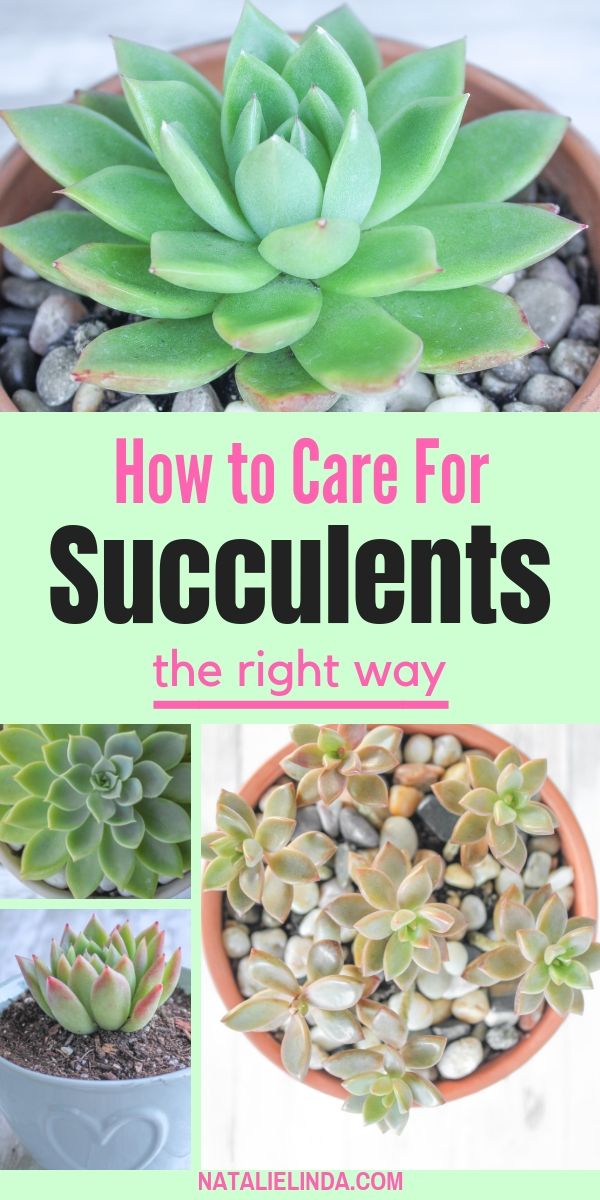

- Protection from the Elements: Shielded from heavy rain, hail, and freezing temperatures.
- Pest Management: Easier to monitor and control common indoor pests like mealybugs compared to outdoor pests.
- Aesthetic Integration: Their sculptural forms and diverse colors make them excellent design elements for any room.
Navigating Indoor Lighting Challenges
The most common hurdle for indoor succulent success is providing adequate light. While they enjoy bright conditions, a standard window might not supply the intensity they require, especially during darker winter months. Insufficient light often leads to etiolation, where the plant stretches abnormally tall and sparse in a desperate search for sun. To combat this, placing them on a sunny south- or west-facing windowsill is ideal, or supplementing with grow lights can ensure they receive the 6 hours of bright, indirect or direct light they need daily.
Strategic Placement for Year-Round Enjoyment
The question of "are succulent plants for indoors or outdoors" doesn't have to be an either-or decision. Many enthusiasts find the best approach is to utilize both locations strategically. During the warmer months, when daylight is long and temperatures are consistently warm, succulents can be moved outdoors to bask in the natural sun and rain. As the days shorten and temperatures cool, they can be brought back inside to continue their growth cycle. This practice, known as "seasonal rotation," allows you to provide the ideal environment for your plants throughout the year.
Whether you choose to display a single specimen on your desk or create an elaborate outdoor rock garden, understanding the fundamental needs of succulents is essential. By observing their response to light, water, and temperature, you can confidently determine the perfect balance of indoor and outdoor care for these captivating plants.


Related Articles

Coleus Indoors or Outdoors? The Ultimate Guide to Growing These Vibrant Plants
Are you wondering whether coleus plants are best suited for indoors or outdoors? You're not alone. Coleus (Plectranthus scutellarioides) is a popular plant...

Are Caladiums Indoor or Outdoor Plants? The Ultimate Growing Guide
Caladium: Indoor or Outdoor Plant? Caladiums, often referred to as "elephant ears" due to their large, heart-shaped leaves, are a popular choice among plant...

The Ultimate Guide to Indoor Plant Lighting: What Type of Light to Grow Plants Indoors
Selecting the correct type of light to grow plants indoors is the most critical decision for any serious indoor gardener. Unlike outdoor cultivation, where the...
Growing Caladium Indoors: The Ultimate Guide to Thriving Indoor Tropical Plants
Embarking on an indoor gardening journey? Caladiums, with their vibrant, heart-shaped leaves, can be a stunning addition to your indoor plant collection. These...
The Ultimate Guide to Caladium Care in Pots: Thriving Outdoor Plants
Cultivating Caladiums in Pots: Outdoor Care Guide Caladiums, also known as elephant ears, are stunning plants that add a touch of tropical elegance to any...

Indoor Zinnia Power: The Ultimate Guide to Growing Zinnias in Pots
Bringing the vibrant, cheerful blooms of zinnias into your home through indoor container gardening is a rewarding pursuit that transforms any space. Growing...