"Pierogi Ruskie: Healthy or Not?
Pierogi ruskie, the classic potato and cheese dumpling, often sparks a debate among health-conscious food lovers. Are these tender pillows of dough a nourishing meal or merely a comfort food indulgence? To answer this, we must look beyond the simple list of ingredients and examine the nutritional profile, the role of portion size, and the context in which they are typically enjoyed.
The Classic Recipe and Its Nutritional Foundation
The traditional recipe for pierogi ruskie is deceptively simple: it relies on boiled potatoes, farmer's cheese (such as twaróg), fried onions, eggs, and seasoned with salt and pepper. This combination creates a complete protein profile, as the grains in the dough pair with the dairy and eggs to provide all essential amino acids. The potatoes offer complex carbohydrates and potassium, while the cheese delivers calcium and fat-soluble vitamins. However, the very components that create this balance are also the source of its highest calorie and fat content, specifically from the cheese and the fat used to fry the onions.
Macronutrient Breakdown
Evaluating the healthiness of pierogi ruskie requires a breakdown of their macronutrients. A standard serving of three to four dumplings can provide a significant amount of calories, primarily derived from carbohydrates and fats. The potato filling offers satiating complex carbs, while the dairy and egg content supplies protein necessary for muscle repair. The fats, while rich in flavor, are often high in saturated fat if butter is used in the frying process. For those monitoring their intake, the sodium content can also be a consideration, given the salted dough and the naturally salty nature of cheese.


The Role of Preparation and Portion Control
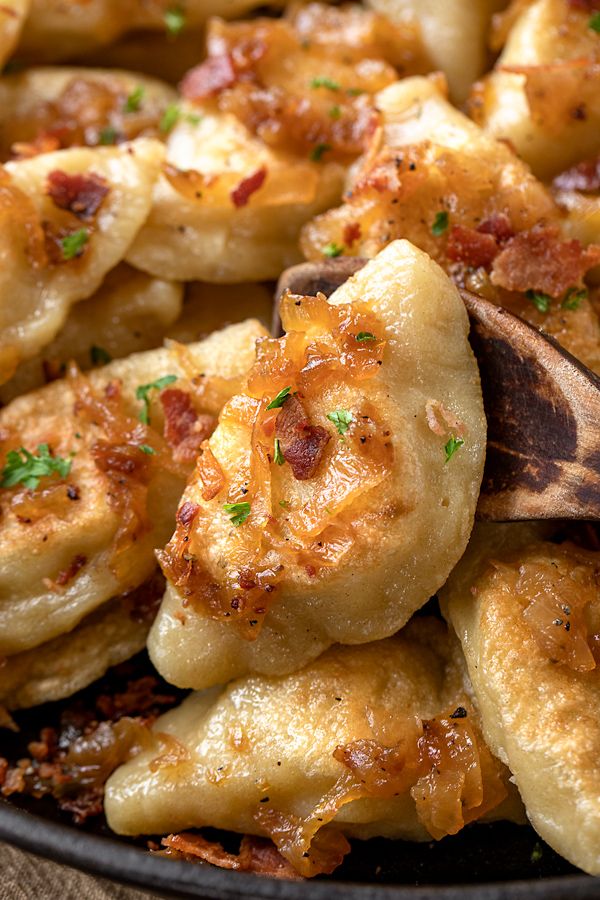
The method of preparation plays a critical role in the health equation. Boiling the dumplings is a relatively low-fat cooking method, but the process is often completed by pan-frying them in butter or lard to achieve a golden, crispy exterior. This step significantly increases the fat content compared to if they were simply boiled or baked. Equally important is portion size; enjoying a small serving of pierogi ruskie as part of a balanced diet is vastly different from consuming an entire plate heaped with high-fat toppings like sour cream and bacon fat.
Comparative Analysis
When compared to other processed convenience foods, homemade pierogi ruskie can be a healthier alternative. You control the quality of the ingredients, opting for whole wheat flour, low-fat cheese, and minimal oil for frying. In contrast to fast-food options that are high in trans fats and preservatives, a homemade version offers freshness and transparency. The table below illustrates how the health profile shifts based on key ingredient choices.


| Ingredient Choice | Impact on Health Profile |
|---|---|
| Dough: All-purpose flour | Higher in refined carbohydrates, less fiber. |
| Dough: Whole wheat flour | Increases fiber content, promoting digestive health. |
| Filling: Full-fat cheese | Higher in saturated fat and calories, but more satisfying. |
| Filling: Part-skim cheese | Reduces saturated fat and calorie content significantly. |
| Cooking: Butter frying | Adds rich flavor but increases saturated fat. |
| Cooking: Olive oil spraying | Lowers calorie density while maintaining texture. |
The Nutritional Benefits of Key Ingredients
Looking at the components individually reveals why pierogi ruskie can be part of a healthy diet. Potatoes are a powerhouse of vitamin B6, vitamin C, and potassium, essential for regulating blood pressure. The eggs contribute choline for brain health and high-quality protein. When using fermented dairy like twaróg, you gain probiotics that support gut health. The onions, once fried, provide prebiotics that feed the beneficial bacteria created by the fermentation process, creating a symbiotic relationship within the dish itself.
Strategic Serving Suggestions
To maximize the health benefits while minimizing the drawbacks, consider how you serve pierogi ruskie. Instead of drowning them in sour cream, opt for a dollop of Greek yogurt for added protein and less fat. Pair the dumplings with a robust side salad rich in leafy greens to balance the starchiness of the potatoes. Adding a source of lean protein, such as grilled chicken or fish, transforms the meal into a well-rounded, nutrient-dense dinner that satisfies without relying solely on the dumplings.
The Verdict: Context is King
So, are pierogi ruskie healthy? The answer is not a simple yes or no. They are a dense source of energy and nutrients, but they demand respect in terms of portion control and preparation quality. They are not a daily dietary staple but rather a culinary treasure to be enjoyed thoughtfully. By making mindful choices regarding ingredients and toppings, you can absolutely include this beloved dish in a healthy and balanced lifestyle without sacrificing the authentic flavor and comfort it provides.




Related Articles

"Is Daily Pierogi Consumption Healthy?
At first glance, pierogies seem like a straightforward comfort food: dough pockets stuffed with anything from potato and cheese to sauerkraut or fruit. Yet...

Healthy Easy Pierogi Meals: Delicious & Simple Recipes
Easy pierogi meals healthy is more than a passing trend; it is a return to the comforting roots of Eastern European cuisine, reimagined for a modern...

Cucumber Watermelon Salad for Weight Loss: Refreshing & Healthy Recipe
Discover the refreshing and nutritious secret to weight loss with our comprehensive guide on cucumber watermelon salad. This light, hydrating, and delicious...

IHOP Breakfast Crepes Nutrition: Healthy Recipes & Calories
Start Your Day Right: A Nutritional Breakdown of IHOP's Breakfast Crepes Kickstarting your day with a delicious and nutritious breakfast is crucial for setting...

Perfect Side Dishes for Pierogi: Sauces and Pairings You'll Love
Selecting the perfect side dish for pierogi transforms a simple meal into a memorable dining experience. While the dumplings themselves are a canvas of flavor...

Healthy Summer Meal Ideas for Family: Delicious & Easy Recipes
Nourishing Your Family This Summer: Healthy Meal Ideas As the weather warms up and schedules fill with outdoor activities, it's essential to plan summer meals...